Choosing the Right Hopper Load Cell for Your Needs

application/hopper-load-cells, application/hopper-load-cells, 
Inquiry
Inquiry

hopper load cells

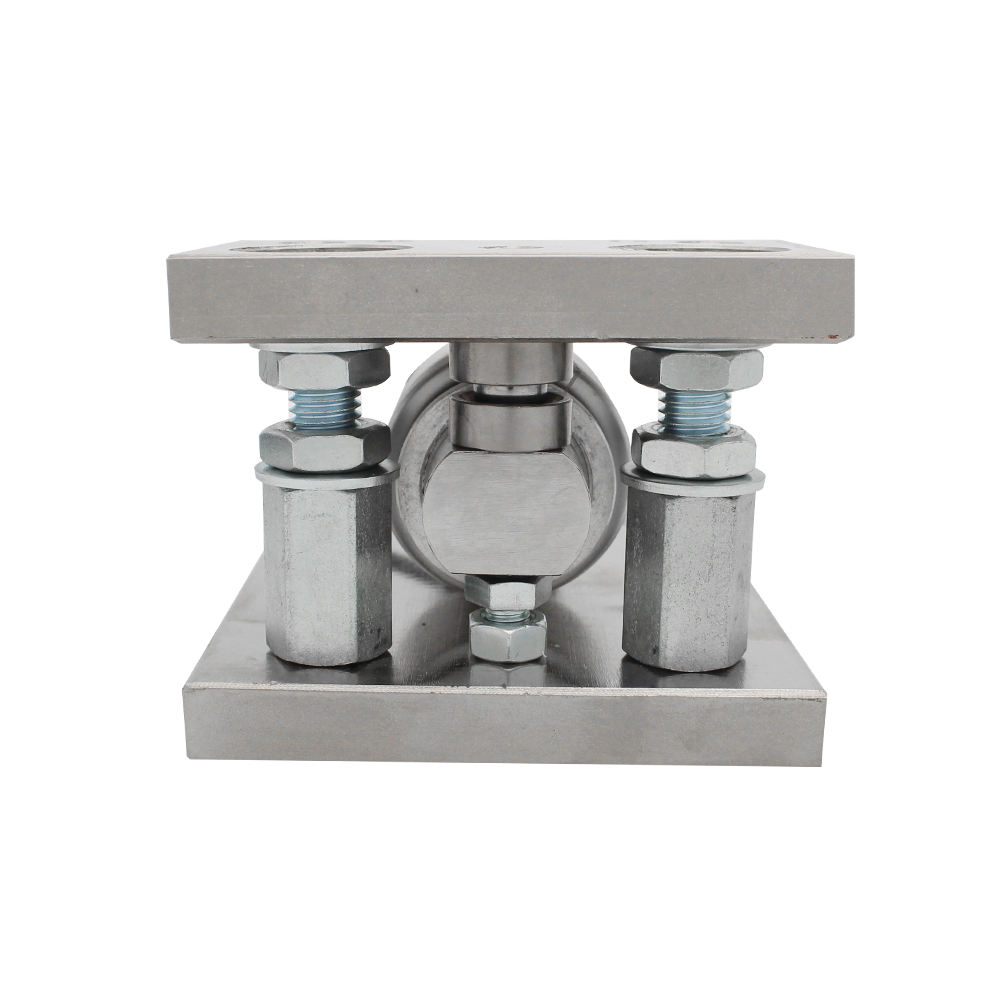
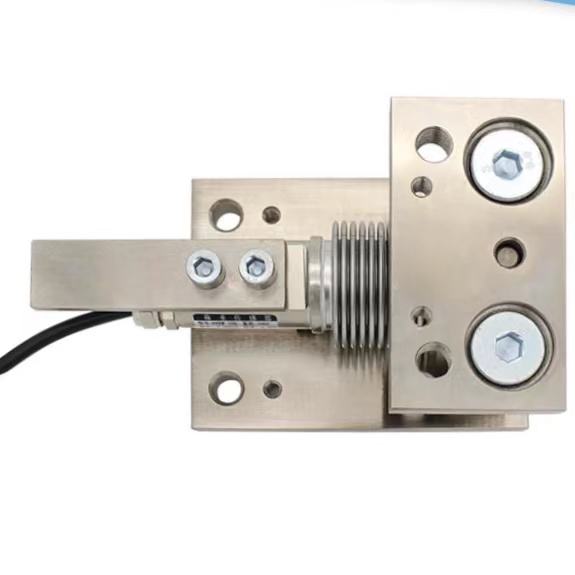
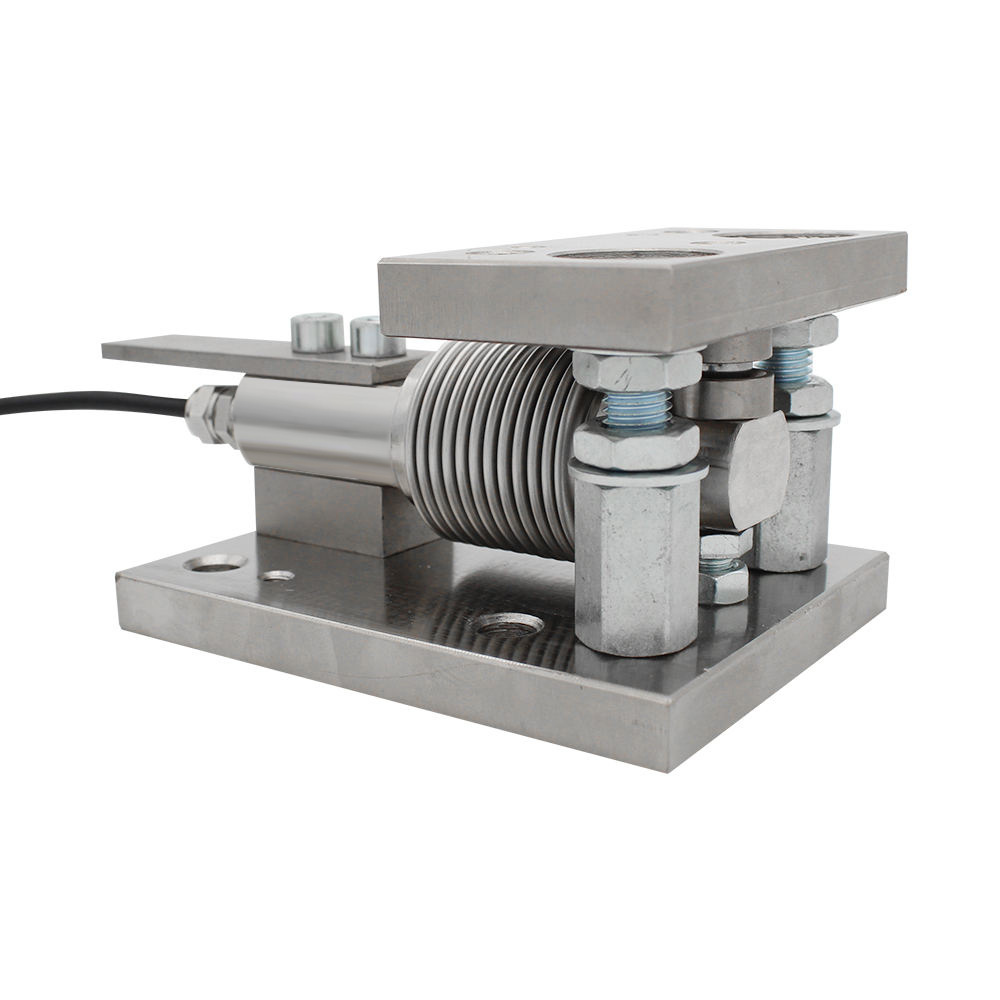
Hopper load cells  play a crucial role  in the accuracy  and efficiency of  industrial weighing systems. These  sensors  are  designed to  measure the  weight of bulk materials  stored in hoppers, silos, and  tanks. For B2B buyers, ensuring the right selection  of  hopper load cells is essential to meet specific application  requirements, maintain quality standards, and optimize operational efficiency. This  article will guide you through the critical aspects of  choosing, sourcing,  installing,  and troubleshooting hopper load cells, helping you  make  informed purchasing decisions.

Where to Source Reliable Hopper Load Cells at Wholesale Prices

Where to Source Reliable Hopper Load Cells at Wholesale Prices

Sourcing high-quality hopper load cells  at wholesale prices can significantly  affect your operational budget. Here are some strategies for finding reliable suppliers:

Industry Distributors: Partnering with well-established distributors  specializing in industrial weighing solutions can  provide access to a variety of reputable brands. Look for distributors with a strong  reputation for customer service and technical support.

Direct Manufacturers: Working  directly with manufacturers, such as JIANGXI JINGCE SENSING  TECHNOLOGY CO., LTD., can often yield better pricing  as you eliminate middlemen costs. Manufacturers that offer  OEM/ODM solutions can also provide custom  load cells tailored to your specific applications.

Online Marketplaces: Platforms such as Alibaba, ThomasNet, and other industrial supply  sites can be useful for  finding competitive pricing. Ensure that you verify supplier credentials and request  product samples or certifications before placing bulk orders.

Trade Shows and Industry  Events: Attending trade shows focused on industrial automation and manufacturing can help  you  discover new suppliers  and technologies. These events also allow for direct interactions with manufacturers, making it easier  to negotiate pricing and discuss specific needs.

Installation Guidelines for Efficient Use of Hopper Load Cells

Installation Guidelines for Efficient Use of Hopper Load Cells

Proper installation of hopper load cells is critical  for optimal performance and accuracy. Follow these installation guidelines:

Calibration: Before installation, ensure that the load cell is calibrated according to the manufacturer’s specifications. Calibration should be verified periodically to maintain accuracy.

Mounting: Load cells should be mounted securely to prevent  movement that could lead to inaccurate readings. Use appropriate  hardware and follow the manufacturer’s mounting instructions.

Wiring: Ensure that all electrical connections  are secure and  properly insulated.  Pay attention to the wiring diagrams  provided by the  manufacturer to avoid installation  errors.

Environmental Controls: If the  load cell is exposed to harsh environmental conditions, consider installing protective covers or enclosures. Additionally, ensure that  the load cell is  positioned to minimize the impact of external forces, such as  vibrations or thermal expansion.

Testing After Installation: After installation, conduct tests to  verify the  load cell's performance under actual operating conditions. This may include checking the accuracy  of  readings  at different load levels and ensuring that the load cell  responds correctly to changes in the load.

Common Problems with Hopper Load Cells and Their Solutions

Common Problems with Hopper Load Cells and Their Solutions

Despite their robustness, hopper load  cells can experience issues that may  affect their performance. Here are common problems  and suggested solutions:

Drift  in Readings: If the load cell shows fluctuating or drifting  readings,  it may indicate a calibration issue or electrical interference. Recalibrating the load cell and  checking for loose or damaged wires can often resolve this issue.

Mechanical Damage: Load cells  are susceptible to damage from overloads or physical impacts. Regular inspections for signs of wear and tear are essential. If damage is observed, the load cell may need to be replaced.

Environmental Factors: Exposure to moisture or corrosive substances  can  affect the load cell’s  performance. Use load cells with appropriate environmental ratings, and consider protective coatings or enclosures if necessary.

Temperature Effects: Extreme  temperatures can lead to variations in load cell performance. Choose load cells rated for the expected temperature range  of the application,  and consider implementing temperature compensation features if needed.

Electrical Issues: Signal noise or erratic readings can arise from poor electrical connections or interference from nearby equipment. Ensure that wiring is  properly  shielded  and that connections are secure to  minimize these issues.

Applications of Hopper Load Cells in Various Industries

Hopper load cells are used across numerous industries, including:

Food and Beverage: In this industry, load cells are critical for accurately measuring ingredients during processing and packaging,  ensuring compliance with regulatory standards.

Pharmaceuticals: Precision is essential in the  pharmaceutical industry, where load cells help  in the accurate dosing of active  ingredients during manufacturing.

Construction and Mining: Load  cells are used to weigh bulk materials, such as aggregates and minerals, ensuring proper inventory management and compliance with safety  regulations.

Agriculture: In agricultural applications, hopper load cells facilitate the weighing of grains and fertilizers, helping farmers optimize their operations and  manage resources effectively.

Chemical Processing: Load cells play a vital role in measuring and controlling the amounts of chemicals used  in  various processes, contributing to efficiency and safety.  For instance, high-quality load cells are essential in ensuring accurate measurements in chemical production.

In summary,  choosing the  right hopper load cell involves  careful  consideration of load capacity, accuracy, environmental factors, and compatibility with existing systems.  By sourcing from  reliable manufacturers and following proper installation and maintenance practices, you can  ensure  optimal performance and longevity of your  weighing systems.

How to Choose the Right Hopper Load Cell for Your Needs

Selecting the appropriate hopper  load cell involves understanding its  specifications  and application requirements.  Key factors to consider include the load capacity, accuracy,  and environmental conditions in which the load cell will operate.

Load Capacity: Determine the maximum weight the load cell will need to  measure.  Load cells come in various capacities,  typically ranging from  a few kilograms  to several tons. Selecting a load cell  with a capacity that exceeds your maximum expected load is advisable to ensure safe operation.

Accuracy: The precision of  a load cell is often expressed as  a percentage of the full-scale output. For applications  requiring high accuracy, choose load cells with lower percentage error ratings. High-precision load cells, such as the High Performance 100Nm Static Torque Sensor Load Cell, are particularly important for applications in the food, pharmaceutical, and chemical industries, where regulatory compliance may be  necessary.

Environmental Conditions: Consider the operating  environment, including temperature, humidity, and potential exposure  to chemicals or moisture. Load cells designed for harsh environments may feature protective  coatings or enclosures to ensure longevity and reliability.

Compatibility: Ensure the load cell is compatible with your existing weighing systems and data acquisition  tools. This includes checking for proper interfacing protocols and electrical connections.

Customization Needs: If your application has unique requirements, such as special mounting configurations or specific materials, discuss customization options with potential suppliers. For instance, some suppliers offer Customizable Load Cell Transmitters tailored to your specific applications.

Frequently Asked Questions

What are hopper load cells used for?

Hopper load cells measure weight in hoppers, feeders and bins for batching, inventory and process control in industries like lifting, weighing and automation.
We offer high-precision models across various capacities from low to heavy loads, customizable to your application requirements with tight accuracy tolerances.
Yes. Our load cells carry CE and RoHS certifications and meet industry safety and environmental standards for global deployment.
Yes. We provide OEM and ODM services including custom mechanical designs, mounting options, calibration and signal outputs to fit your system.
Our load cells are designed for industrial environments with options for IP protection, temperature compensation and robust materials to resist dust, moisture and vibration.

Get a Free Quote

Our representative will contact you soon.
0/1000

Related product categories