Essential Guide to Wire Tension Load Cells

application/wire-tension-load-cell, application/wire-tension-load-cell, 
Inquiry
Inquiry

wire tension load cell

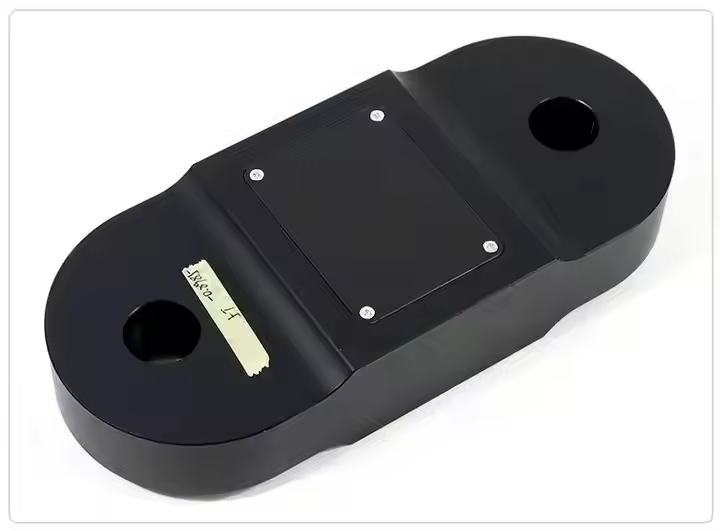
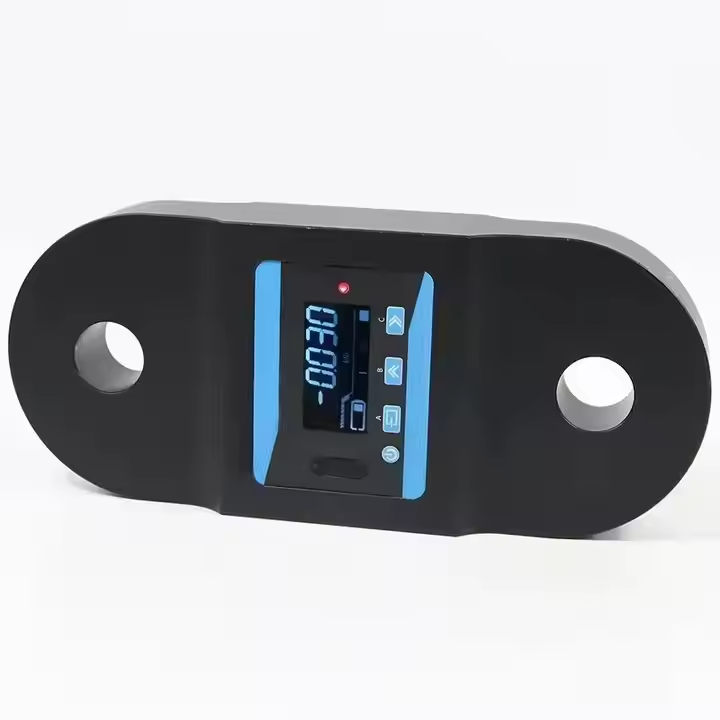
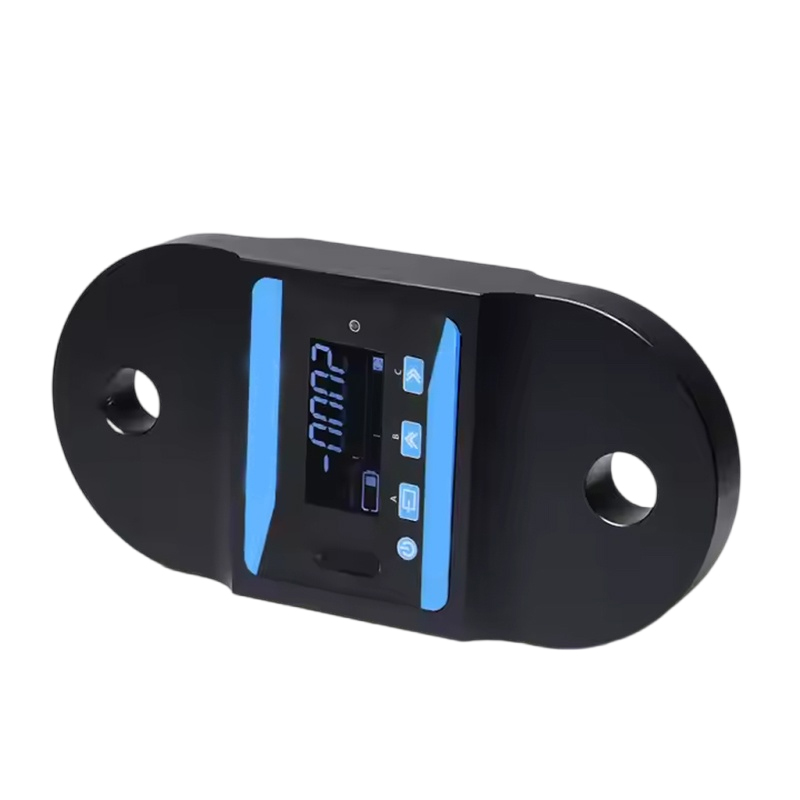
Wire tension load  cells  are  essential components used in various  industrial applications  to measure the tension or force exerted  on a wire  or similar material. They  play a crucial role in ensuring  accurate  measurements, which are vital for operational efficiency and safety. B2B buyers, such as purchasing managers and engineers, typically  have concerns regarding the  specifications, reliability, and applications  of these load cells. This  article aims to provide a comprehensive understanding  of wire  tension load cells, addressing key  considerations for  selecting  the right product for  various applications.

Reliable Suppliers for Wholesale Wire Tension Load Cells

Reliable Suppliers for Wholesale Wire Tension Load Cells

Finding a reliable supplier  for wholesale wire tension load cells is crucial for  ensuring product quality and consistency. Here are some  factors to consider  when evaluating potential suppliers:

Certification and  Compliance: Suppliers should possess relevant  certifications, such as CE and RoHS, which  indicate compliance with international standards. This ensures that the products meet safety and environmental  regulations.

Manufacturing Capabilities: Evaluate the supplier’s manufacturing capabilities, including their production equipment and processes. A supplier with advanced technology and quality control systems is more likely to deliver consistent,  high-quality products.

Customization Options: Many applications require  tailored solutions. Reliable suppliers  should offer customization options, such  as  different  load capacities or dimensions, to meet specific customer requirements.

Experience and Reputation: Consider  the supplier's experience in  the industry. A supplier with a solid track record and positive customer reviews is likely to be more  trustworthy.

Support and Service: Good suppliers provide responsive customer support and after-sales service.  This includes assistance with  installation,  maintenance, and troubleshooting.

Comparing Quality Factors in Wire Tension Load Cells

Comparing Quality Factors in Wire Tension Load Cells

Quality factors are critical  when comparing different wire tension load cells. Here are some key  aspects to  consider:


Testing Methods: Look for suppliers that employ rigorous testing  methods during production, such as load testing, environmental testing, and  calibration checks. This ensures that  the load cells meet specified  performance standards.

Material Quality: The quality of materials used in manufacturing directly impacts the longevity and reliability of the load cell. Ask for detailed information on the materials and their properties.

Design Features: Innovative design features, such as strain gauge  technology or integrated amplification,  can enhance the load cell's performance. Evaluate whether these features are necessary for your application.


Warranty and Support: A strong  warranty  can be an indicator  of quality. Check the  warranty  terms  and what is covered. Good support can also facilitate repairs or  replacements as  needed.

Peer Reviews: Seek feedback from other users in your industry. Reviews and case studies can provide insights into the real-world performance of different load  cells.

Common Problems with Wire Tension Load Cells and Their Solutions

Common Problems with Wire Tension Load Cells and Their Solutions

Understanding common problems associated with wire tension load cells can help buyers mitigate risks. Here  are some typical issues and their solutions:


Drift in Measurements: Over time, load  cells may experience drift, leading  to inaccurate readings. Regular calibration and maintenance can  help ensure that measurements remain accurate.

Physical Damage: Load cells can be damaged by excessive loads or improper installation. Buyers  should ensure that the load  cell is adequately rated for the application and properly installed.

Environmental Factors: Exposure to extreme temperatures  or corrosive environments can affect performance. Selecting load  cells with appropriate environmental ratings  can  mitigate these issues.

Electrical Interference: In  some cases, electrical noise can impact the accuracy  of load cells. Using  shielded  cables and proper grounding techniques can help reduce this interference.


Incompatibility Issues: Ensure that the load cell is compatible with the existing systems and equipment. This includes checking the  output signal type and ensuring it  matches  the receiving device.


Applications of Wire Tension Load Cells in Manufacturing and Automation

Wire  tension load cells  find  applications across various manufacturing and automation processes. Understanding these applications can help buyers make informed decisions.

Material Testing: In research and development, load cells are used to measure the tensile strength of materials.  This is crucial for quality control and product  development.

Cable  Tension Monitoring: In industries such as construction  and telecommunications, wire tension load cells monitor the tension of cables to ensure structural integrity and prevent failures.

Automated Weighing  Systems: Load cells are integral to automated weighing systems, providing precise  weight  measurements for  batching and filling processes.

Robotics: In robotics, load  cells help in force sensing applications, allowing robots to adapt their grip strength based on the materials being handled.

Load Monitoring  in Lifting Equipment: Load cells are critical in cranes and hoists, ensuring that the load being lifted is within safe operating limits.

By understanding these applications, buyers can better evaluate the suitability of  wire tension load cells for their specific needs.

In summary, selecting the right wire tension load cell involves careful consideration of  specifications, supplier reliability,  quality factors,  potential issues, and application suitability. By focusing  on these aspects, B2B buyers can make informed decisions that  enhance operational  efficiency and safety in their processes.

Key Specifications to Evaluate in Wire Tension Load Cells

When evaluating wire  tension load  cells, buyers should consider  several key specifications  that directly influence performance.

Load Capacity: This indicates the maximum load  that the load cell can accurately measure. It's essential to  choose a load cell with a capacity that exceeds the expected maximum load to prevent damage and ensure  safety.

Sensitivity: Sensitivity  determines how effectively a load cell can respond to changes in load. Higher sensitivity allows for finer measurements, which is crucial in applications requiring precise force monitoring.

Accuracy: This specification defines how close the load cell's  measurement  is to the actual load. It is often expressed as a percentage of the full-scale output. Buyers should ensure that  the accuracy level meets their  specific application needs.

Material Composition: The materials used in manufacturing the load cell impact its durability and resistance to environmental factors. Common materials include aluminum  and  stainless steel, with  stainless steel offering superior resistance to  corrosion. For applications that require high performance, consider using load cells made from durable materials.

Environmental Ratings: Consideration  of the load cell's environmental ratings, such as IP ratings, is essential for applications exposed to dust, moisture, or extreme temperatures. This ensures reliable performance over time.

Calibration: Buyers should also check how easy it is  to calibrate the load cell and whether it  comes with  calibration standards that meet industry requirements.

Frequently Asked Questions

What is a wire tension load cell?

A wire tension load cell measures tensile force in cables or wires, converting tension into an electrical signal for accurate monitoring and control in lifting, weighing, and automation applications.
Our load cells provide high-precision readings and come with CE and RoHS certifications, ensuring compliance with safety and environmental standards.
Common uses include lifting and rigging, industrial weighing, automation systems, and new energy setups requiring precise wire tension monitoring.
Yes. We offer OEM/ODM customization for capacity, signal output, mounting, and connectors to match specific application requirements.
Models feature robust housings, IP-rated sealing, temperature compensation, and stable electrical outputs to withstand industrial environments and ensure long-term reliability.

Get a Free Quote

Our representative will contact you soon.
0/1000