Load Cell for Tank Weighing System

application/load-cell-for-tank-weighing-system, application/load-cell-for-tank-weighing-system, 
Inquiry
Inquiry

load cell for tank weighing system

Load cells are  critical components in tank weighing systems, providing precise measurements  of weight and force. As a B2B buyer,  understanding how  to select  the  right  load cell for your  tank weighing system can  significantly impact  operational efficiency and  accuracy.  This article will delve  into essential considerations for  choosing  load cells, insights for wholesale buyers, common challenges, pricing factors,  and  the various applications  of load cells in  industrial  contexts.

What Wholesale Buyers Should Know

What Wholesale Buyers Should Know

When purchasing load cells  in bulk, wholesale buyers should be aware of several factors that can influence their procurement process. First, establishing a clear understanding  of the required specifications is crucial. This includes load  capacity,  accuracy, and environmental considerations,  as mentioned previously.


Buyers should also consider the manufacturer’s capabilities. Assessing the  company’s reputation for quality control, production capabilities,  and experience in the  industry can provide insights into the reliability of the products. For instance, JIANGXI JINGCE SENSING TECHNOLOGY CO., LTD. is recognized for its high-precision load cells and  robust quality assurance processes, which  can be a deciding factor for potential buyers.

Furthermore, understanding minimum order quantities (MOQs) and lead times is essential for  inventory management.  Discussing these aspects upfront with the supplier can prevent  delays and  ensure  that your operations run smoothly.  Lastly, don’t hesitate to request samples for testing to  confirm that the load cells  meet your specific performance criteria before  committing to a bulk order.

Common Problems with Load Cells and Effective Solutions for Buyers

Common Problems with Load Cells and Effective Solutions for Buyers

While load  cells are designed for durability and  precision, buyers may encounter common issues that can affect  their performance. One frequent  problem is drift, where the load cell’s output changes over time, leading to inaccuracies. Regular calibration  and  maintenance can mitigate this issue. Buyers should establish a routine testing schedule to ensure  ongoing accuracy.

Another  issue is  environmental interference, particularly in applications exposed to extreme conditions  or electromagnetic interference. To address this, selecting load cells with appropriate sealing (such as IP67 or IP68 ratings) and  using shielding  techniques  can  enhance performance.

Additionally, improper installation can lead to performance inconsistencies. It  is essential to follow the manufacturer’s installation guidelines closely and ensure that  the load cell  is mounted correctly to avoid misalignment or mechanical stress.

Lastly, communication with the supplier  is vital. If any issues  arise, having a manufacturer that  provides responsive support and warranty services can significantly reduce downtime and operational disruptions.

Cost Factors to Consider When Purchasing Load Cells in Bulk

Cost Factors to Consider When Purchasing Load Cells in Bulk

When  evaluating the cost of load cells for bulk purchases, several factors come into play. Initially,  the price per unit often  decreases with larger quantities  due to economies  of scale. However, it’s essential  to  consider the total cost of ownership,  which includes installation, maintenance, and  potential downtime  costs.

Material selection  can also influence pricing. For example, load cells made from high-grade stainless steel or  specialized alloys  may have a higher upfront cost but offer improved  durability and performance over time, ultimately saving money on  replacements and  repairs.

Customization options can affect costs as well. If specific features  or configurations are needed, buyers should  discuss these with the supplier early in the procurement process to obtain accurate pricing.


Lastly, shipping and handling costs should not be overlooked. Ensuring  that the logistics align with your operational needs can prevent unexpected expenses and delays.

Applications of Load Cells in Various Industrial Tank Weighing Systems

Load cells play a vital role across  numerous industries  where precise weight measurement is essential. In the food and  beverage sector, for example, load cells are  used in  tank weighing systems to ensure accurate ingredient measurements, which is crucial for maintaining product  quality and compliance with regulatory standards.

In the chemical industry, load cells help monitor the weight of hazardous materials in  storage tanks, ensuring safety and compliance with environmental regulations.  Their ability  to provide real-time data enables  companies to make informed decisions regarding inventory management  and safety protocols.

Additionally, load cells are increasingly being utilized in the pharmaceutical industry for  accurate dosage measurements, ensuring that production meets stringent health regulations. The versatility of load cells allows them to be integrated into various tank  designs, from large storage tanks to mobile mixing units, underscoring their essential  role in modern industrial operations.

By understanding these  applications and effectively selecting the right load cells for tank weighing  systems,  buyers can enhance operational efficiency,  safety, and compliance across their  manufacturing processes.


How to Choose the Right Load Cell for Your Tank Weighing System

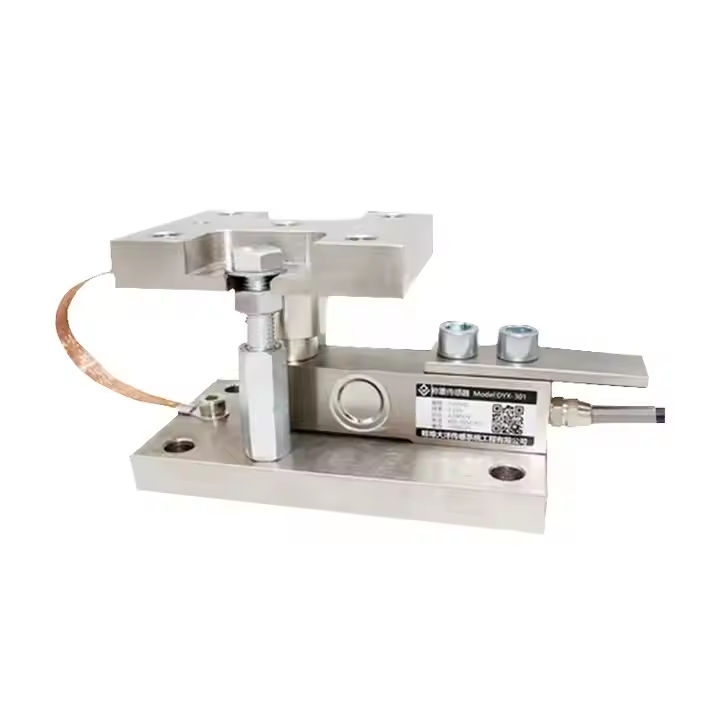
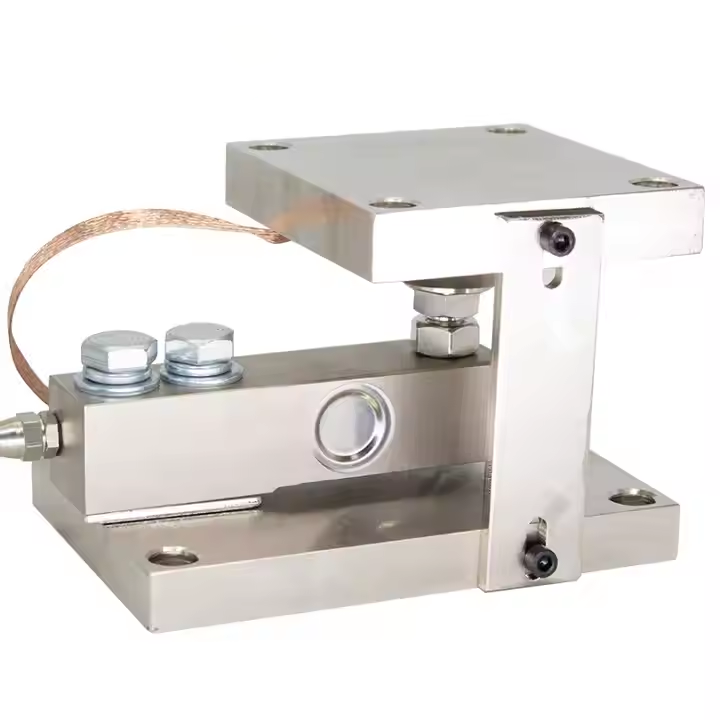
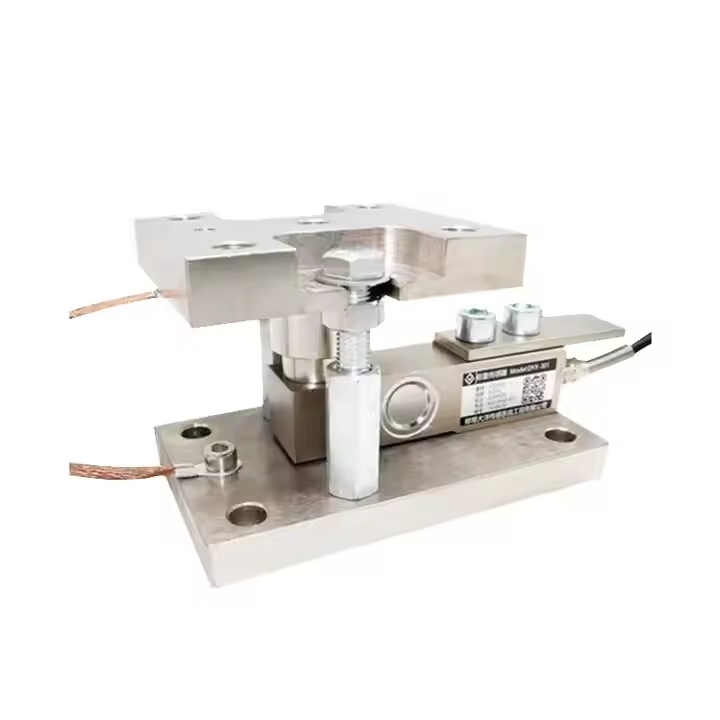
Selecting the appropriate load cell for a tank weighing system involves several key considerations. First, evaluate the  load capacity required for your  application. Load cells come in various capacities, so it’s vital  to choose one that can handle  the maximum expected weight  of  the tank and its  contents  without compromising accuracy. For more details on different types of load cells, you can refer to our guide on Load cell.

Next, consider the  environment in which the load cell will  operate. Factors such as temperature extremes,  humidity,  and exposure to chemicals can influence the performance and lifespan  of the load cell. For instance, stainless steel load cells are often preferred for their  corrosion resistance in harsh environments.

Another critical aspect is the type of load cell. There are  various types, including compression, tension, and shear beam load cells. Each type has its applications, and selecting one depends on the specific design and operational requirements of your tank weighing system. For  example,  shear beam load cells are notable for their versatility and are often used in platform scales and tank applications. If you are interested in shear beam load cells, check out our section on Shear beam load cell for more information.

Lastly, ensure that the load cell is compatible with your existing systems, including controllers and displays. Providing  specifications  such as dimensions, output signal type, and electrical requirements will aid in  confirming compatibility.

Frequently Asked Questions

What is this load cell used for?

This load cell is designed for tank weighing systems to measure liquid or bulk material weight accurately in industrial storage and process applications.
We offer high-precision load cells across multiple capacities and accuracies to suit small to large tanks; exact specs available via OEM/ODM customization.
Yes. Our load cells carry CE and RoHS certifications and meet industry standards for safe and reliable operation.
Yes. We specialize in OEM/ODM solutions, customizing load cell design, mounting, and output to integrate with your weighing and automation systems.
We provide technical datasheets, installation guides, calibration support, and responsive technical assistance to ensure proper installation and long-term performance.

Get a Free Quote

Our representative will contact you soon.
0/1000