Key Considerations for Double Beam Load Cells

application/double-beam-load-cell, application/double-beam-load-cell, 
Inquiry
Inquiry

double beam load cell

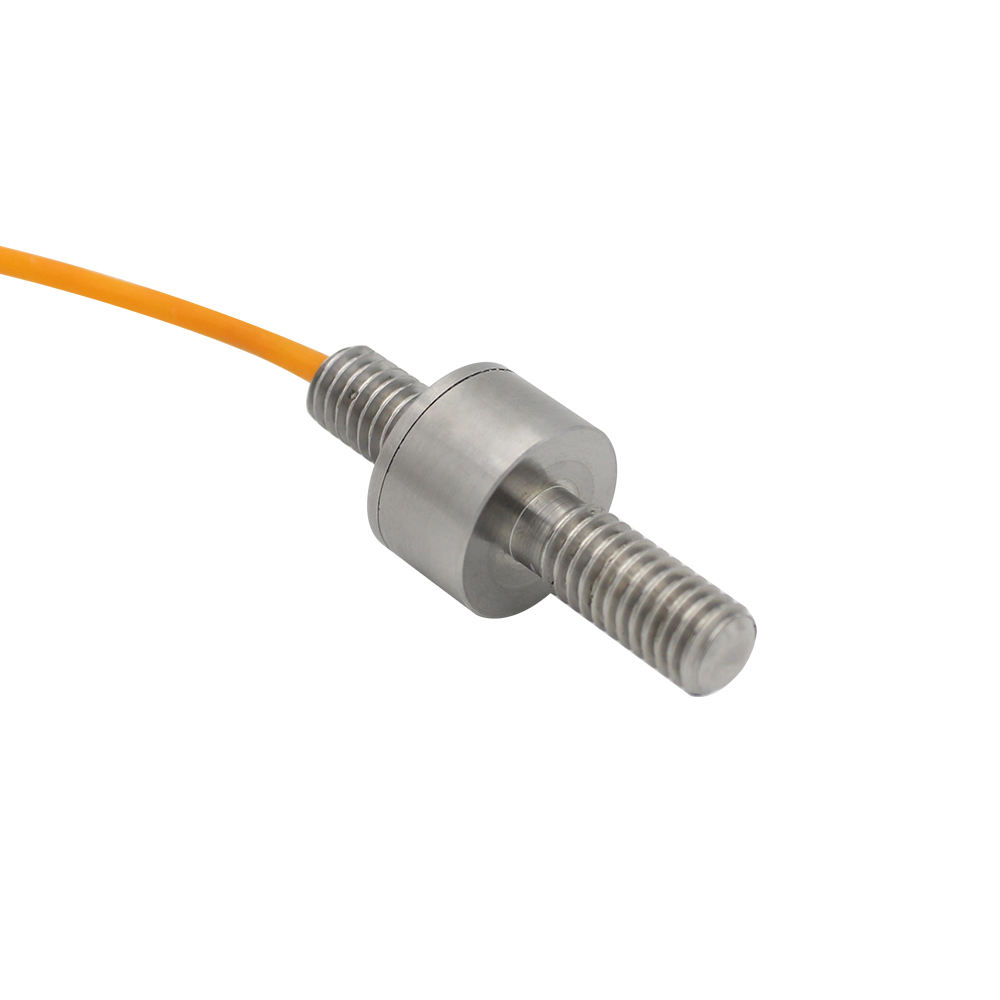
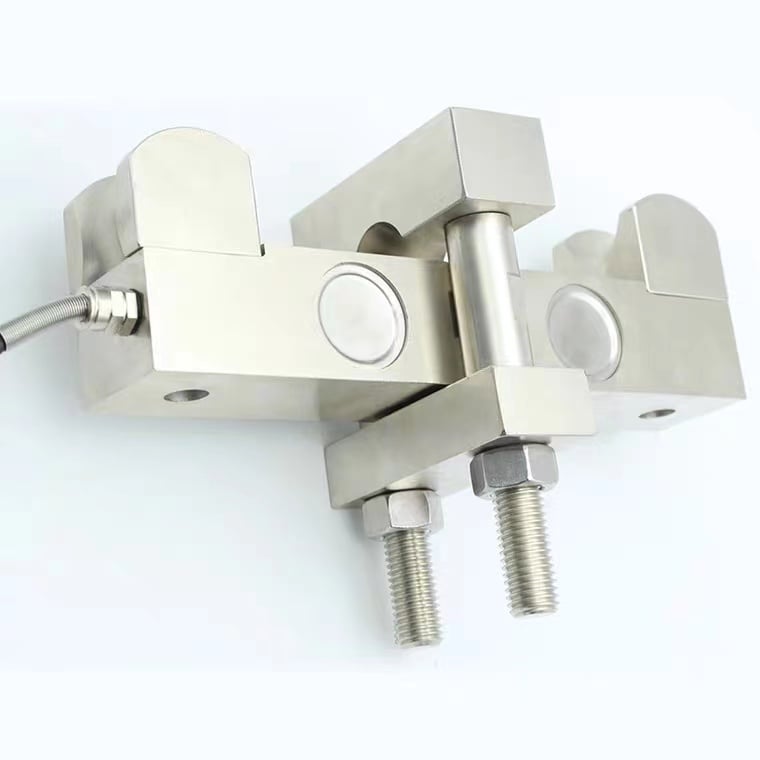
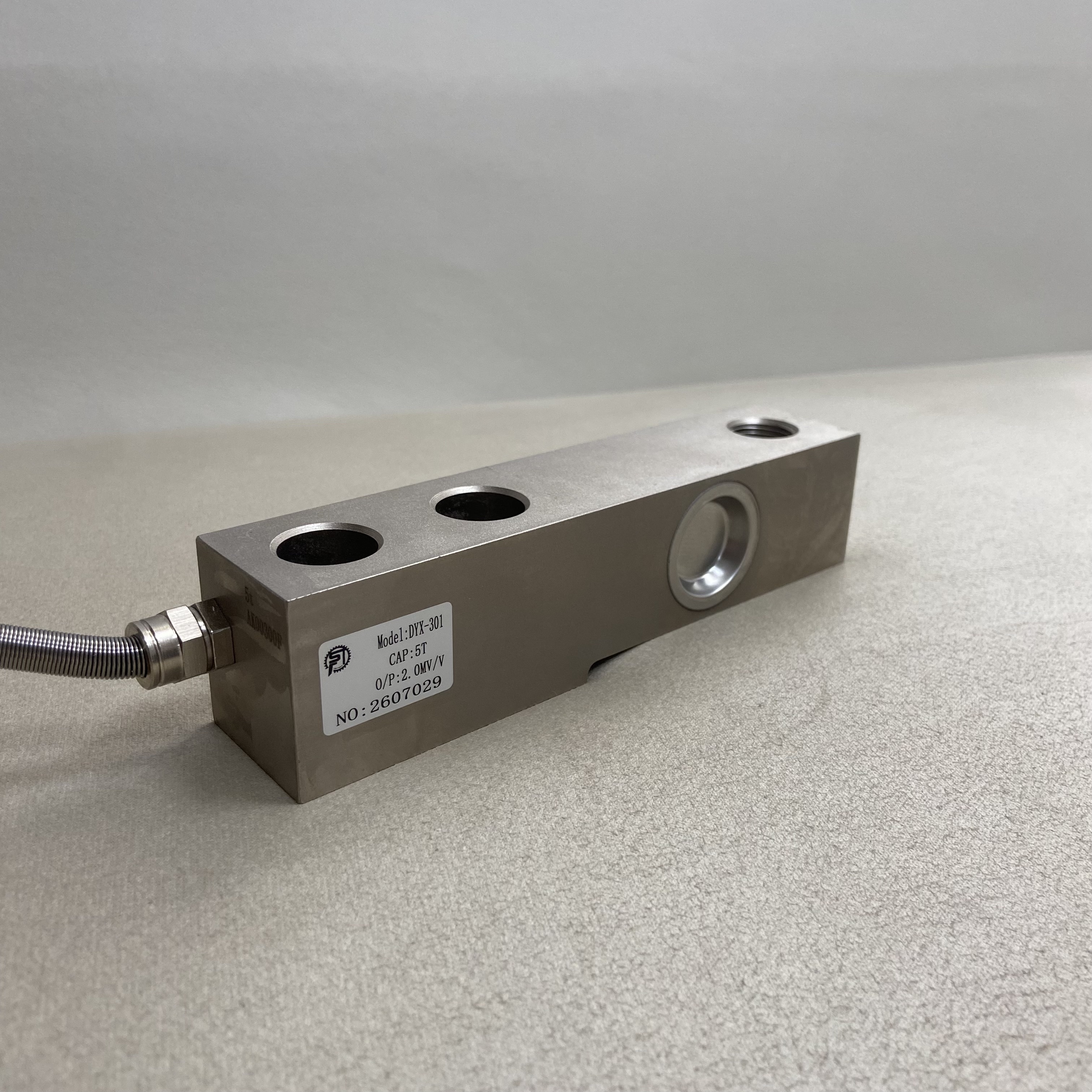
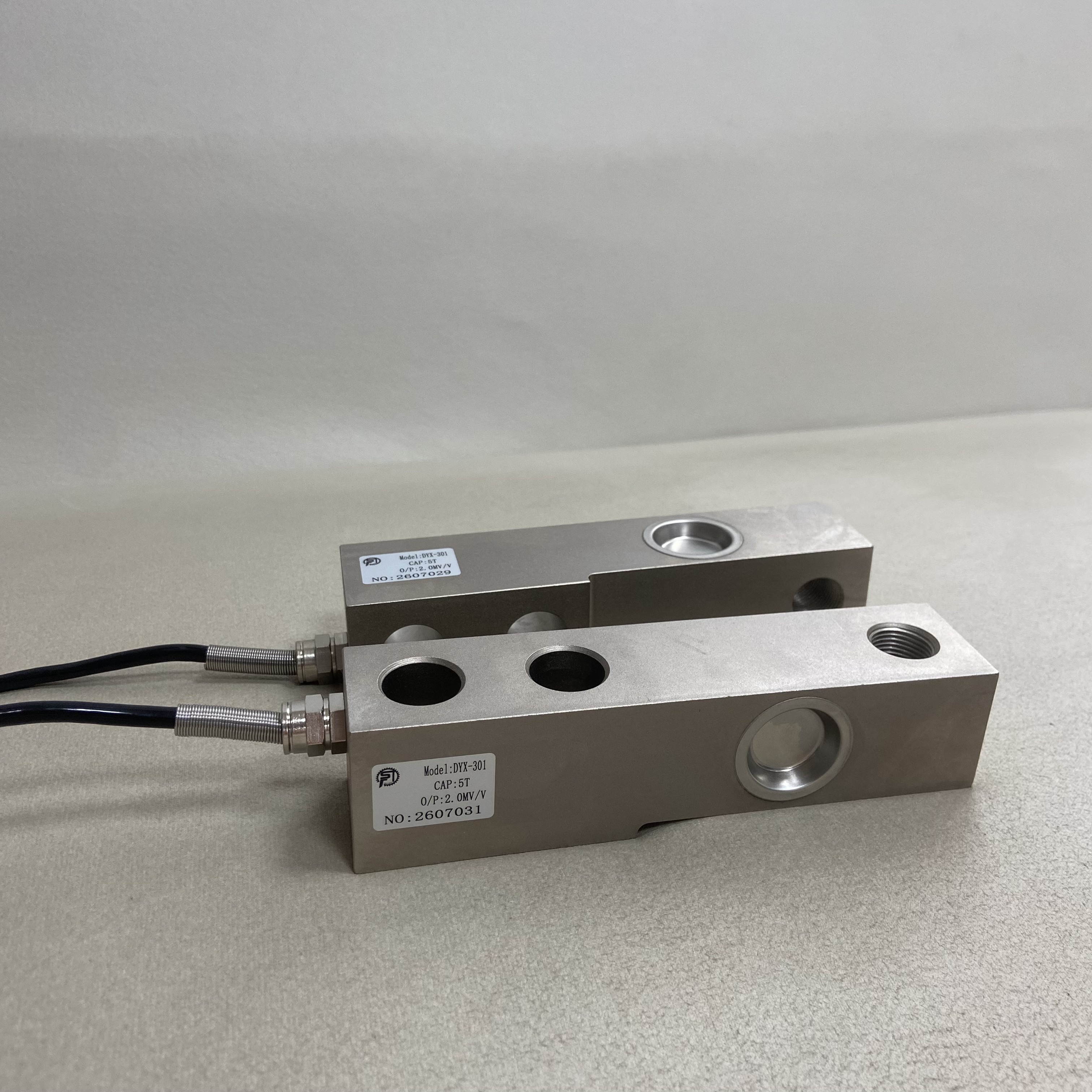
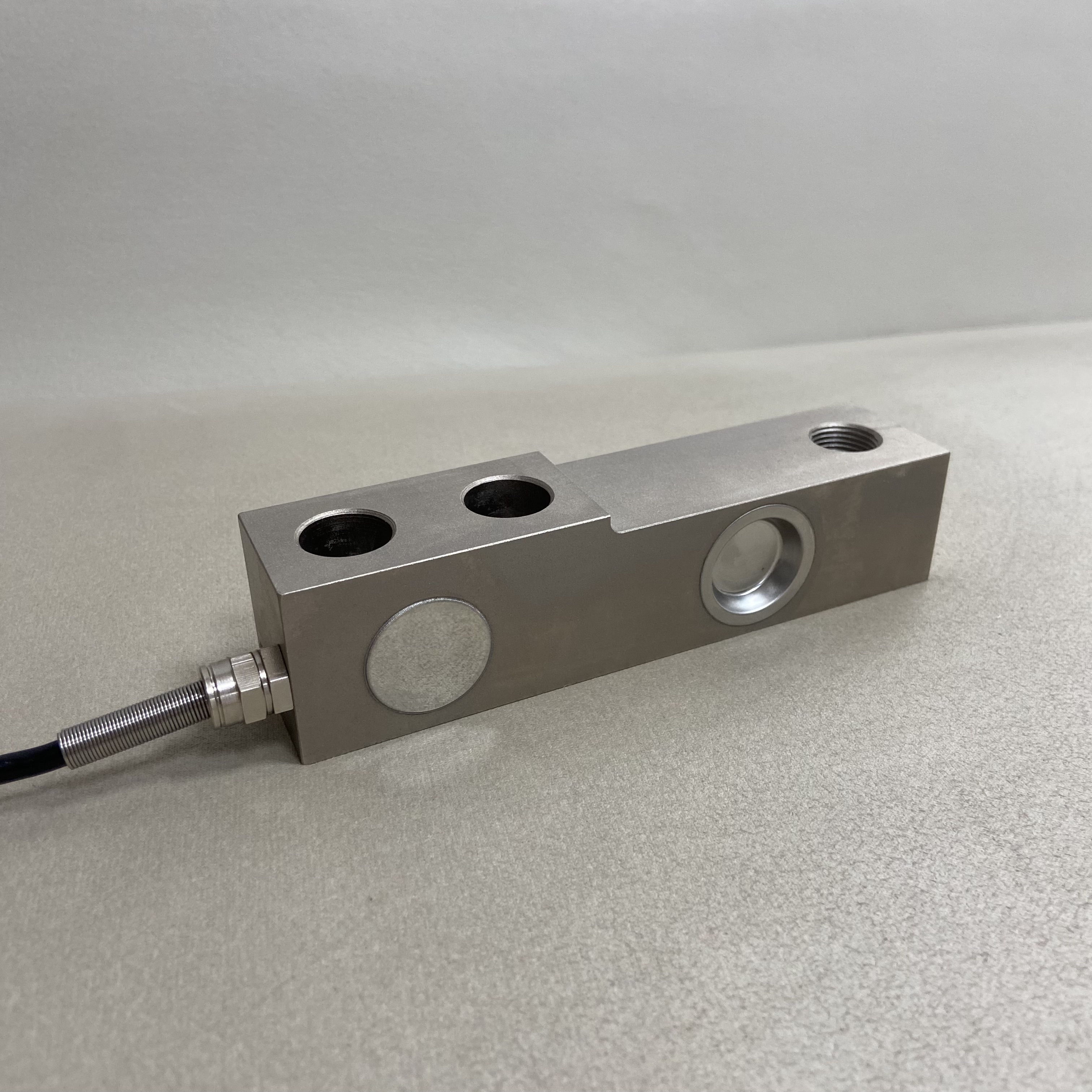
Double  beam load  cells are  precision instruments designed to measure  force  and  weight, commonly used in various industrial applications. As a purchasing manager  or  engineer, it’s crucial to understand the  specific features  and qualities that differentiate double beam load cells, especially when sourcing for wholesale. This  article  will guide you through key considerations,  quality evaluations, supplier locations,  common issues, and installation guidance, helping you  make informed  decisions  in  your procurement  process.

 
How to Evaluate the Quality of Double Beam Load Cells Before Purchase

How to Evaluate the Quality of Double Beam Load Cells Before Purchase

Evaluating the quality of double  beam  load cells before purchase involves several critical steps. Start by examining the manufacturer’s certifications, such  as CE  and RoHS compliance, which indicate adherence to safety and environmental standards.  These certifications ensure that the load cells meet international quality benchmarks.

Next, review the technical specifications provided by the manufacturer. Key specifications to assess include accuracy, repeatability,  and environmental ratings. For example, a load cell with a high accuracy rating ensures precise  measurements, which  is  crucial in applications where even slight deviations  can lead  to  significant errors.

It is also wise to request samples for  testing. Before committing to a bulk order, conduct performance tests to verify that the load cell meets your operational  demands.  Pay attention to factors such as response time, stability under varying loads, and temperature performance. If possible, observe the load cell in actual  working conditions to assess its reliability.

Lastly, consider the  manufacturer’s quality control processes. A robust quality  assurance program that includes regular testing and  inspection of load cells will significantly contribute to the longevity and  performance of the product.

Where to Find Reliable Suppliers of Double Beam Load Cells Globally

Where to Find Reliable Suppliers of Double Beam Load Cells Globally

Finding  reliable suppliers  of double beam load cells can significantly impact your procurement  process. Start by researching established manufacturers  with a strong reputation in the industry. Trade shows, industry conferences,  and online marketplaces can provide valuable insights  into potential suppliers.


Online platforms such as Alibaba or ThomasNet can help you identify manufacturers and distributors worldwide. Look for suppliers with positive reviews and a proven track record  of delivering high-quality products. </p>

Networking within  industry-specific forums and  groups can also  lead to  recommendations for trustworthy suppliers.  Engaging with  other professionals in your field  can  provide  insights into  their experiences with various manufacturers.

Additionally, consider suppliers that offer comprehensive support, including technical assistance and after-sales  service. A responsive supplier can be invaluable, particularly when addressing any issues that may  arise post-purchase.

Common Problems with Double Beam Load Cells and Effective Solutions

Common Problems with Double Beam Load Cells and Effective Solutions

While double beam load cells are reliable, they can encounter common issues  that may compromise their performance. One frequent problem is drift, which can occur  due to  temperature  changes or mechanical stress. To mitigate this, ensure that the load cells are calibrated  regularly and installed in environments with stable temperatures.

Another issue is inadequate sealing, which can lead to moisture ingress and corrosion, particularly in harsh  environments. Choose load  cells with appropriate ingress protection ratings  (IP  ratings) to ensure they are  sealed against dust and moisture.

Mechanical overload is also a common concern.  To prevent damage, always ensure that the load cell’s specifications match the maximum loads expected during operation. Utilize protective  devices  or overload alarms to safeguard the load cell from excessive weights.

Lastly, consider the electrical connections. Loose or  damaged wiring can lead to inaccurate readings  or complete  failure. Implement  regular inspections  of electrical components  and connections to  maintain optimal functionality.

Installation Guidance for Double Beam Load Cells in Various Settings

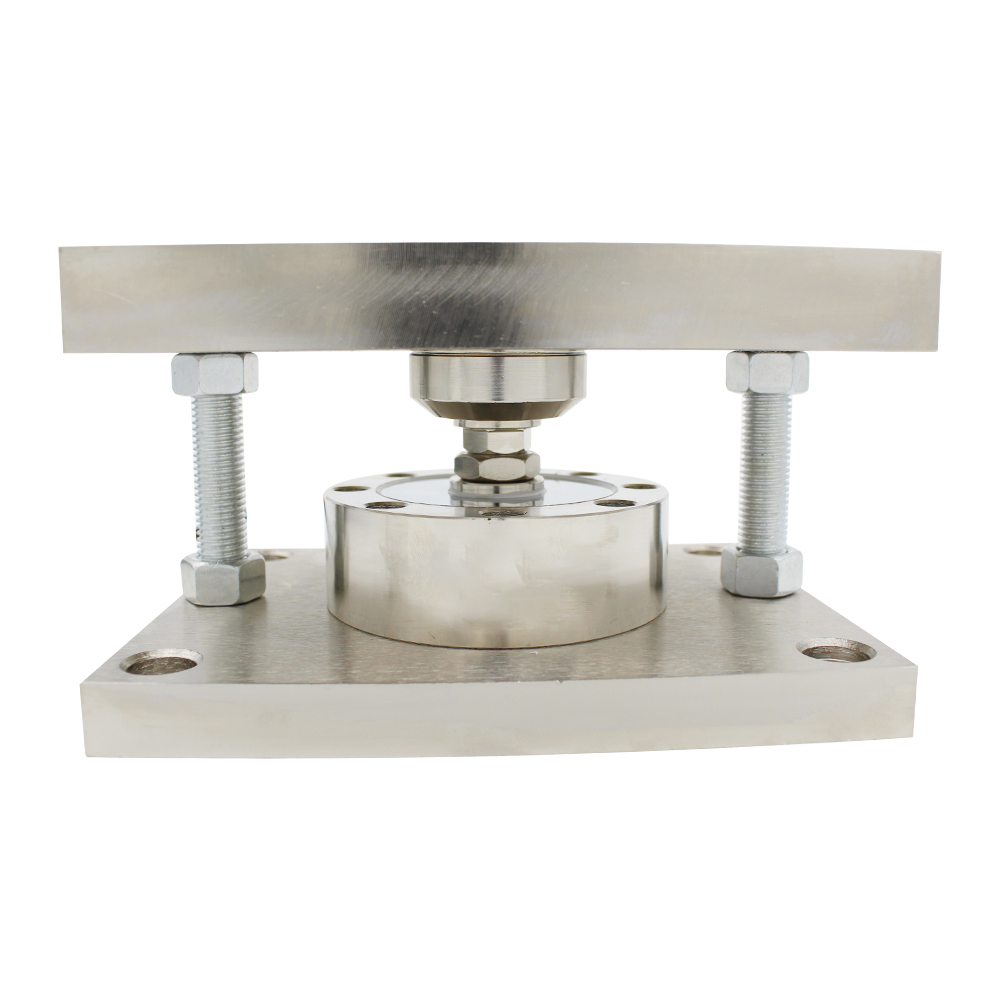
Proper  installation of double beam load cells  is crucial for accurate performance. Begin by selecting an appropriate mounting location that minimizes external vibrations and mechanical stress. Ensure that the load cell is securely mounted on a stable surface, as any movement can  affect measurement  accuracy.

When connecting the  load cell to your measurement system, follow the manufacturer's wiring diagrams carefully. Double-check connections for polarity and ensure that all wiring is secured to prevent disconnections during operation.


In  applications where  the  load cell will face dynamic loads, such as  in weighing hoppers  or conveyor systems, consider using shock mounts  or vibration isolation pads to minimize disturbances. For more information on similar applications, you can explore options like Hanging scale.

Finally, after installation, conduct a thorough calibration process. This involves applying  known weights to the load cell and adjusting the output signal to ensure accurate readings. Regular recalibration is recommended to maintain precision over time, especially in environments where  load  conditions  frequently change.

By considering these  factors and following proper guidelines, you can  ensure the successful  integration of double beam load cells into your operations, enhancing your overall measurement accuracy and reliability.

What to Consider When Sourcing Double Beam Load Cells for Wholesale

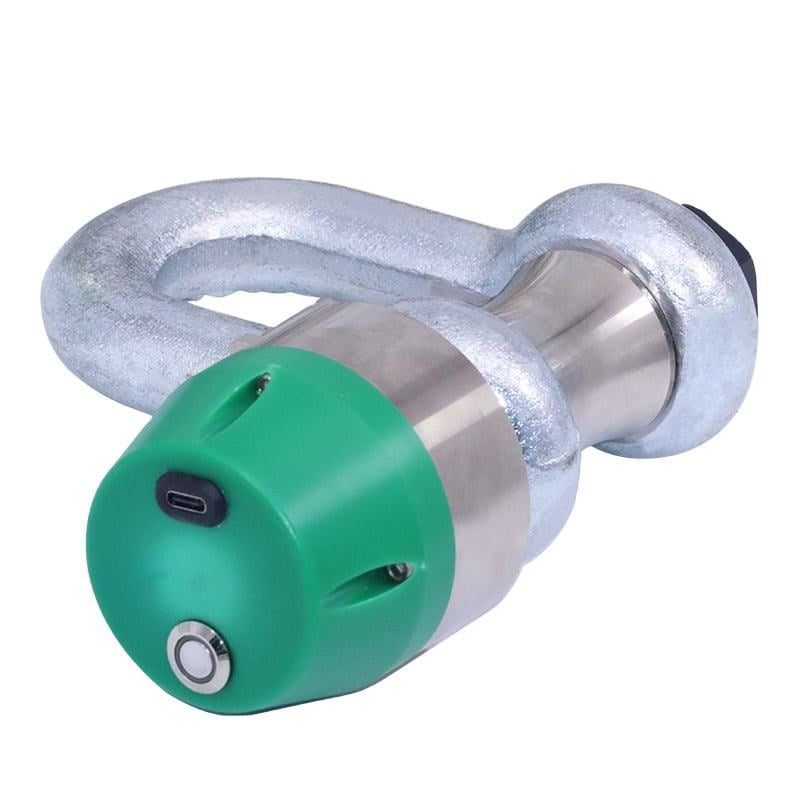
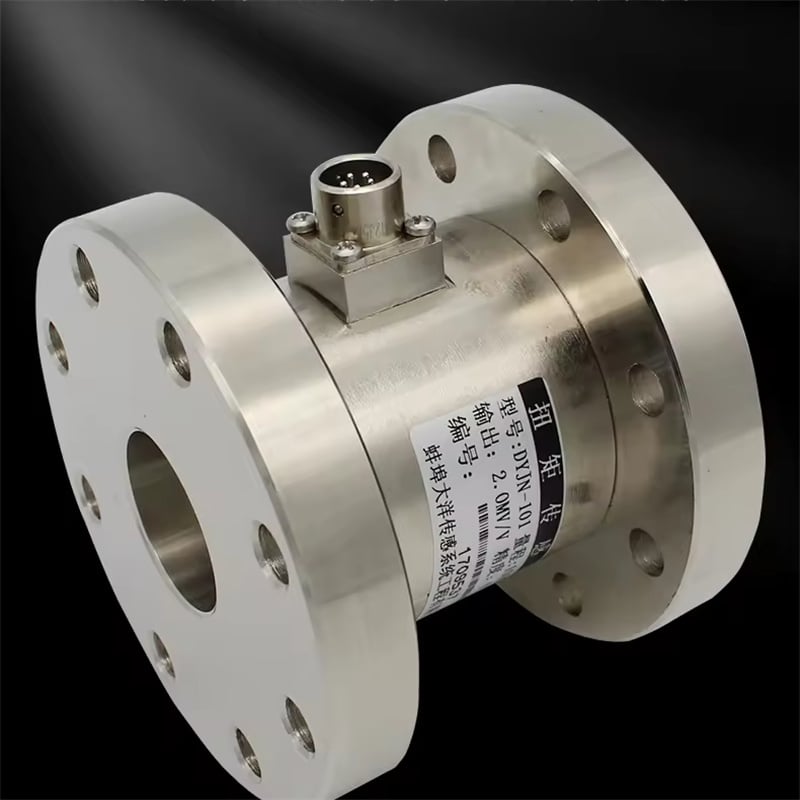
When sourcing double  beam load cells, several factors should be taken into account to ensure you meet your operational requirements. First, consider the load capacity and sensitivity of the load cell. Determine the maximum weight it will need to measure, as  this will influence  the specifications you require. Additionally, it’s important to understand the types of load cells available, including options like Load cell and Tension load cell, which may suit different applications.

Next, examine the material of the load cell. Common materials include aluminum for lightweight applications and stainless steel for environments where corrosion resistance is  essential. The choice of material impacts not only durability but also the load cell's performance in  various conditions, such as temperature  fluctuations  and moisture exposure.

Additionally, evaluate the installation environment. If the load  cell will  be exposed to  harsh conditions, such as chemicals or extreme temperatures, ensure that the selected model is designed to withstand such factors. Furthermore, confirm the compatibility of the load cell with your existing  systems, including any  necessary interfaces  or communication protocols.

Finally,  consider customization  options. Many manufacturers, like JIANGXI JINGCE  SENSING TECHNOLOGY CO., LTD., offer OEM/ODM solutions that can be tailored to specific application  needs, enhancing the  overall functionality and  performance of the load cell in  your operations.

Frequently Asked Questions

What is a double beam load cell used for?

A double beam load cell measures tension and compression with high precision for lifting, weighing, automation, and new energy applications.
Our double beam load cells provide high precision and come with CE and RoHS certifications to meet global quality and safety standards.
Yes. We offer OEM/ODM customization including mounting, output type, calibration, and mechanical modifications to suit specific applications.
Designed for industrial use, it tolerates typical temperature ranges, moisture protection, and robust mechanical loads; specific IP and range ratings available on request.
Contact our technical team for installation guidance, calibration, testing, and ongoing support. We provide documentation and service options for global clients.

Get a Free Quote

Our representative will contact you soon.
0/1000