Choosing the Right Rope Tension Load Cell

application/rope-tension-load-cell, application/rope-tension-load-cell, 
Inquiry
Inquiry

rope tension load cell

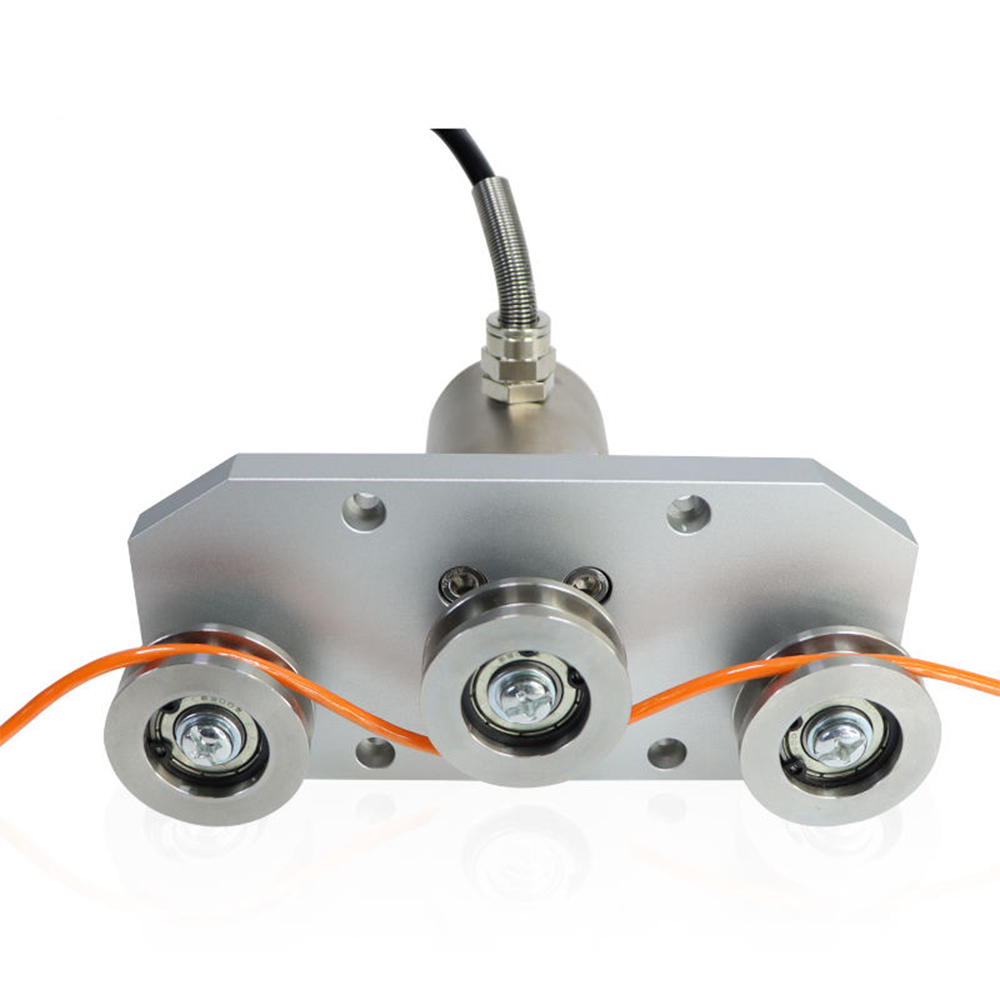
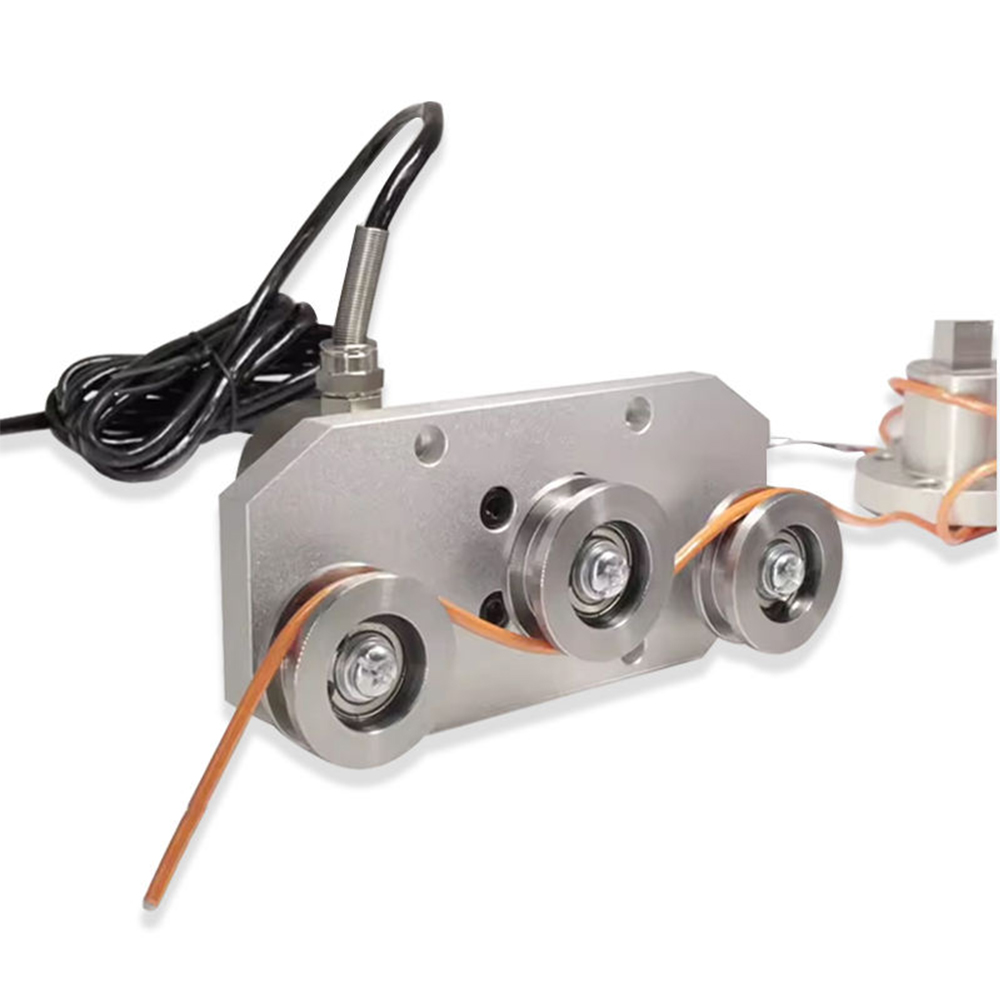
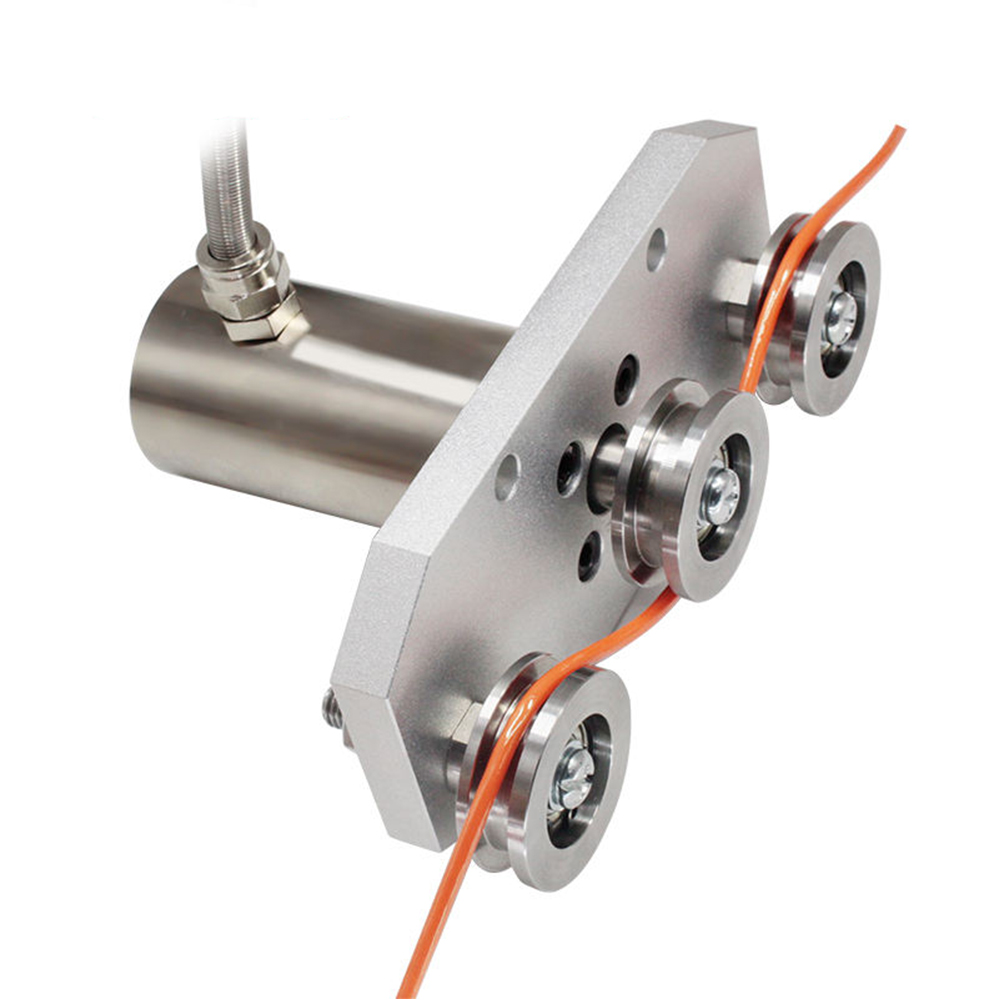
Rope tension load cells are  essential components in various  industrial applications where the  accurate measurement of  tension is  required.  These precision instruments convert the load exerted by a  rope into an  electrical signal, allowing  for real-time monitoring and control. For B2B buyers,  understanding the nuances of  selecting the right rope tension load cell is crucial, as it affects the performance and  safety of  operations in lifting, weighing, and automation sectors. This article aims to provide  insights  into choosing  the  right load cell, sourcing reliable suppliers,  comparing  specifications, evaluating  costs, and addressing common issues.

Where to Find Reliable Suppliers of Rope Tension Load Cells for Wholesalers

Where to Find Reliable Suppliers of Rope Tension Load Cells for Wholesalers

Finding  a trustworthy supplier for rope  tension load cells involves thorough research and evaluation. Begin  by looking for manufacturers with a solid reputation in the  industry,  such as JIANGXI JINGCE SENSING TECHNOLOGY CO., LTD., known for  its high-precision sensors and certifications like CE and RoHS. These certifications indicate compliance  with international safety and quality standards.

Trade shows  and industry-specific  exhibitions are excellent venues for meeting potential suppliers and reviewing their products firsthand. Online platforms and industry directories can also provide valuable insights into various manufacturers, including customer reviews and  ratings.

Once you identify  potential suppliers, request samples to evaluate product quality and performance. A reliable supplier should  also  be willing to provide  technical  support  and guidance,  which  is crucial  for ensuring the right fit  for your application.

Key Specifications to Compare in Rope Tension Load Cells for Projects

Key Specifications to Compare in Rope Tension Load Cells for Projects

When comparing rope tension load cells, several key specifications should be carefully evaluated:

Load Capacity: This indicates the maximum tension the load cell can measure. Ensure it aligns with your operational needs.

Accuracy  and  Precision: These metrics define how closely the load  cell's  output aligns with the actual  load. A higher  accuracy  rating is critical for applications  requiring precise measurements.


Output Signal: Determine whether you need a voltage output, current output, or digital  signal. This will depend on  your data acquisition  system's compatibility.

Dimensions and Mounting Options:  Ensure the load cell fits your application layout. Check the mounting options available, as they can affect  installation ease and  performance.

Environmental Ratings: Look for load cells with appropriate IP ratings for dust  and moisture protection, especially for  outdoor or harsh  environments.

Calibration  and Certification: Verify if the load cell has undergone calibration and if certification is available, ensuring compliance with industry standards.

By comparing these specifications, you  can make an informed decision that enhances operational efficiency.

Understanding Cost Factors for Purchasing Rope Tension Load Cells in Bulk

Understanding Cost Factors for Purchasing Rope Tension Load Cells in Bulk

The cost  of  rope tension load cells varies based on  several factors. One primary consideration is the load cell's specifications, including load capacity, accuracy, and additional features like wireless capabilities.  Higher precision and specialized features will generally increase the price.


Bulk purchasing often provides cost advantages, but it's essential to consider the minimum  order quantities (MOQs) set by suppliers. Understanding the MOQ can  help in budgeting and inventory planning.

Shipping costs should  also be factored  in, especially if the load cells are sourced  internationally.  Evaluate the  supplier's shipping  policies, including lead times, to ensure timely delivery for your projects.

Finally, consider any potential  additional costs for  customization or specific calibration requirements based on your  application.  Discussing these  aspects upfront with suppliers can help avoid unexpected expenses later  in the purchasing process.


Common Problems with Rope Tension Load Cells and Effective Solutions

Like any precision instrument, rope tension load cells may encounter  several common issues.  One frequent problem is inaccurate readings, which can result from improper installation or calibration. To  mitigate this, ensure that installation  guidelines  are followed meticulously and that the load cell is calibrated according to the manufacturer’s specifications.

Environmental factors can also impact performance. For instance, exposure to extreme temperatures can affect the load cell's sensitivity. If your application involves such conditions, select models designed to withstand specific environmental challenges.

Another issue could  be mechanical failure due to excessive  load or fatigue from repetitive use. To prevent this, carefully monitor  load  limits and consider  implementing regular maintenance checks to identify wear and tear early.

Finally, connectivity issues with data acquisition systems can arise,  particularly with digital outputs. Ensure compatibility between the load cell  and your systems, and consider  using signal conditioning equipment  if necessary.

Selecting the right  rope tension load cell involves understanding your specific needs  and considering  various technical specifications. By sourcing  from reputable manufacturers and addressing potential issues proactively,  you can ensure reliable performance in  your applications.

What to Consider When Choosing a Rope Tension Load Cell for Your Needs

When selecting a rope tension load cell, several factors should be taken  into account to ensure it  meets your specific  application requirements. First, consider the maximum load capacity. This is critical;  the  load cell must be able to  handle the maximum expected tension without exceeding its limits, which could lead to inaccurate readings or  damage.

Next, evaluate the environmental conditions in which the load cell will operate. Factors such as temperature range, humidity, and exposure to chemicals can affect performance. For instance, if the load cell is to  be used outdoors or in a corrosive environment, selecting  a model  with robust housing and protective coatings is essential. Additionally, consider using a hanging scale for applications requiring suspended load measurement.

Additionally, the output  signal type (analog or  digital) is important based on your data acquisition  systems. Compatibility with existing systems  ensures seamless integration and accurate data transmission. Finally, consider the required  accuracy and resolution for your application. Higher  precision may be necessary for critical applications  like aerospace or medical uses, whereas less demanding environments may allow  for  standard options.


Frequently Asked Questions

What is a rope tension load cell?

A rope tension load cell measures tensile force in ropes or cables, converting load into an electrical signal for precise tension monitoring in lifting, rigging, and industrial applications.
Our rope tension load cells come in multiple ranges from low to high capacities. Contact us with your required range for a tailored capacity recommendation and quotation.
Yes. Our rope tension load cells carry CE and RoHS certifications, ensuring compliance with key safety and environmental standards.
We offer OEM and ODM services, including custom calibration, mounting options, connectors, and housings to fit specific industry or application needs.
Common uses include lifting and rigging, weighing systems, automation, and new energy projects where accurate rope or cable tension measurement is required.

Get a Free Quote

Our representative will contact you soon.
0/1000