Choosing the Right Indicator Load Cell for Applications

application/indicator-load-cell, application/indicator-load-cell, 
Inquiry
Inquiry

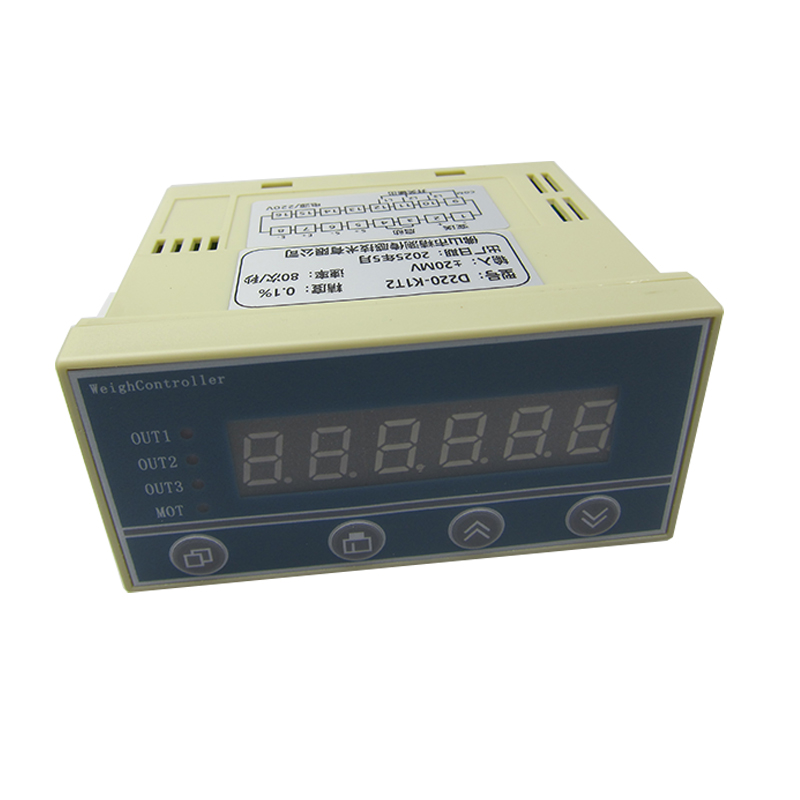
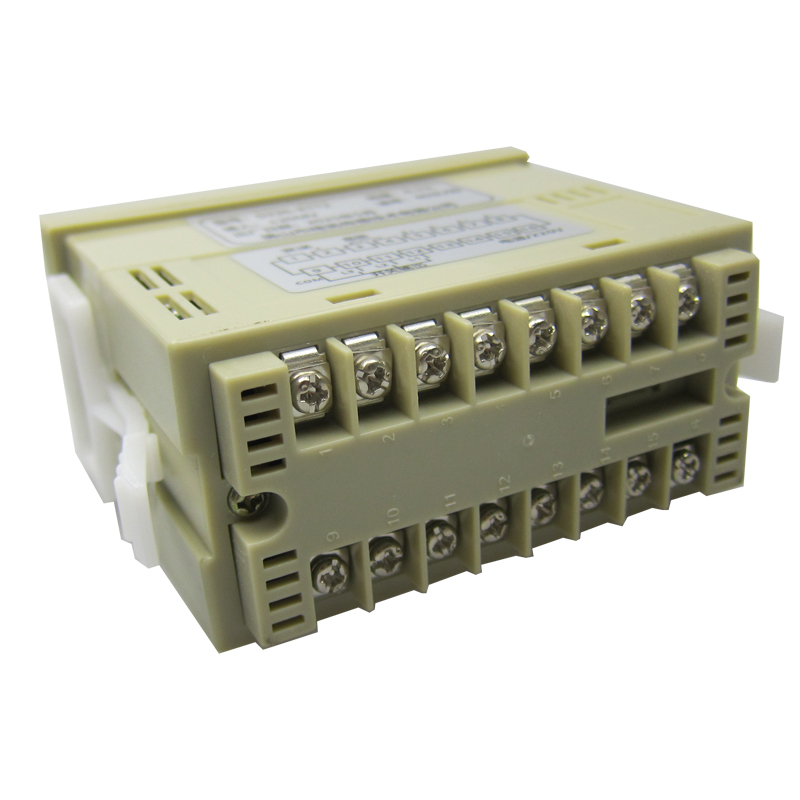
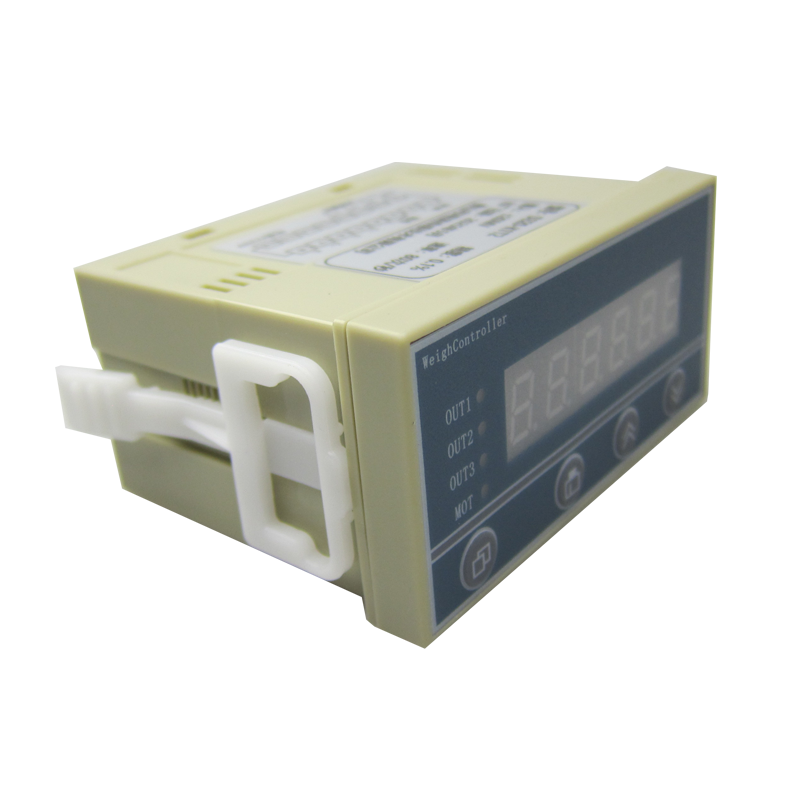
indicator load cell

Indicator load cells  are essential components in various  industrial applications, providing precise  measurements  of force and  weight. When selecting  an indicator  load cell, B2B  buyers often face challenges  related to accuracy, compatibility, and quality assurance. This  article will guide you through  the  critical aspects of choosing  the right indicator load cell, evaluating key  specifications, identifying reliable suppliers, understanding  the importance of quality control in manufacturing,  and  exploring diverse  applications across  industries.

 
Key Specifications to Evaluate for Indicator Load Cells

Key Specifications to Evaluate for Indicator Load Cells

When evaluating indicator load cells, several key specifications should be scrutinized  to ensure optimal performance.

Load Capacity: The maximum load the cell can accurately measure. Choose a load cell with a capacity that exceeds your application’s maximum load to prevent damage and ensure longevity.

Accuracy: Often expressed as a percentage of the full-scale output, accuracy is vital for applications where precision is critical. Ensure the load cell’s accuracy meets your project requirements—higher accuracy typically comes at a higher cost.


Sensitivity: This measures how much the output signal changes  in response  to a  load change.  Higher sensitivity is  essential for applications that require fine measurements.

Hysteresis and  Linearity: These specifications indicate how closely the load cell's output follows the actual load. Low hysteresis and good linearity ensure reliable  and repeatable  measurements, crucial  for quality control processes.

Temperature Compensation: Load cells can drift in accuracy with temperature  changes. A good load cell should have built-in temperature compensation  to  maintain accuracy across a range  of operating conditions.

Understanding these specifications will help you select a load  cell that  not only  meets your  needs but also enhances the reliability of  your operations.

Where to Find Reliable Suppliers of Indicator Load Cells

Where to Find Reliable Suppliers of Indicator Load Cells

Finding a trustworthy supplier for indicator load cells is crucial for ensuring  product  quality and reliability. Start by researching manufacturers with a strong reputation in the industry, such  as JIANGXI JINGCE SENSING TECHNOLOGY CO., LTD., known  for its high-precision load  cells and  force sensors.

Utilize industry  directories,  trade shows,  and online platforms to compile a list  of potential suppliers. Focus on  those who  offer comprehensive product information, including detailed specifications, certifications,  and application guidance.  Additionally, look for  manufacturers  that provide OEM/ODM solutions, as they can offer tailored products that meet specific project requirements.

Request samples to test performance in  your application before making a bulk  order. This hands-on evaluation is crucial to assess the load cell’s compatibility and accuracy in real-world conditions. Furthermore, inquire  about the supplier's quality control processes, lead times, and after-sales support to  ensure a smooth purchasing experience.

The Importance of Quality Control in Indicator Load Cell Manufacturing

The Importance of Quality Control in Indicator Load Cell Manufacturing

Quality control is a critical aspect of load cell manufacturing that  directly  impacts product reliability  and performance. Effective  quality  control processes ensure  that each load cell meets stringent specifications and industry standards before reaching  the customer.

Manufacturers should implement thorough testing protocols, including calibration and performance testing, to verify that each  load  cell operates within its stated accuracy  and sensitivity  ranges. Additionally, regular audits of  production methods and  materials can prevent defects and maintain high standards throughout the supply chain.

It’s advisable for buyers to inquire about the manufacturer’s  quality  assurance certifications, such as ISO 9001,  which demonstrate a commitment to quality management systems. A robust quality control  system reduces the likelihood of defects and failures in the field, ultimately  leading to increased customer  satisfaction and  lower operational costs.

Applications of Indicator Load Cells in Various Industries

Indicator load cells are versatile components  utilized across  multiple industries. Here are some key applications:

Manufacturing: In manufacturing environments, load cells are used for weighing raw materials, monitoring production processes, and  ensuring  accurate filling and packaging.

Construction: Load cells  play  a  vital role in crane operations, providing real-time weight data to prevent  overload situations and enhance safety.

Automotive: In automotive testing, load cells measure forces during crash tests or performance testing, ensuring vehicles meet safety standards.

Food and Beverage:  Load cells are essential for  accurately  measuring ingredients during food production, ensuring consistency and quality in final products.


Medical Devices: In healthcare, load cells are used in scales and other medical equipment to provide precise weight measurements for patients.

Understanding these applications can help buyers evaluate the suitability  of different load  cells for their specific needs  and ensure they select products  that  enhance operational efficiency and safety.

By considering these factors, B2B buyers can make informed decisions when selecting  indicator  load cells, ultimately leading to improved operational performance and reliability in their  applications.

How to Choose the Right Indicator Load Cell for Your Project Needs

Selecting the appropriate indicator load cell involves several considerations that directly impact its performance in your specific application. First, assess the required load  capacity; ensure the load cell can handle the maximum expected load without exceeding its limits. Understanding the environment where the load cell will be used  is also  crucial—factors such  as  temperature fluctuations, humidity, and potential exposure to  chemicals may dictate the choice of materials and design.

Next, consider  the  output  signal type (analog or digital) and ensure compatibility with your existing measurement  systems. For instance,  digital load cells often provide higher accuracy and easier  integration with automation systems, but they may require specific interfaces. Additionally,  evaluate any customization needs; some projects may necessitate specific dimensions  or  mounting configurations to fit seamlessly  into existing machinery or equipment.

Lastly, don't overlook the importance  of certification. Certifications like CE  or RoHS ensure that the product meets specific safety and environmental  standards, which is vital for compliance in  many industries.

Frequently Asked Questions

What is an indicator load cell used for?

An indicator load cell measures force or weight and provides a readable output for lifting, weighing, automation, and testing applications.
Our load cells deliver high precision and come with CE and RoHS certifications to meet safety and regulatory standards.
Yes. We offer OEM/ODM services to tailor capacity, mounting, signal output, and housings for specific industry needs.
Typical applications include lifting equipment, industrial weighing systems, automation controls, and new energy testing platforms.
We provide technical datasheets, calibration guidance, installation instructions, and responsive technical support for integration and maintenance.

Get a Free Quote

Our representative will contact you soon.
0/1000