Micro Load Cell: Key Insights for B2B Buyers

application/micro-load-cell, application/micro-load-cell, 
Inquiry
Inquiry

micro load cell

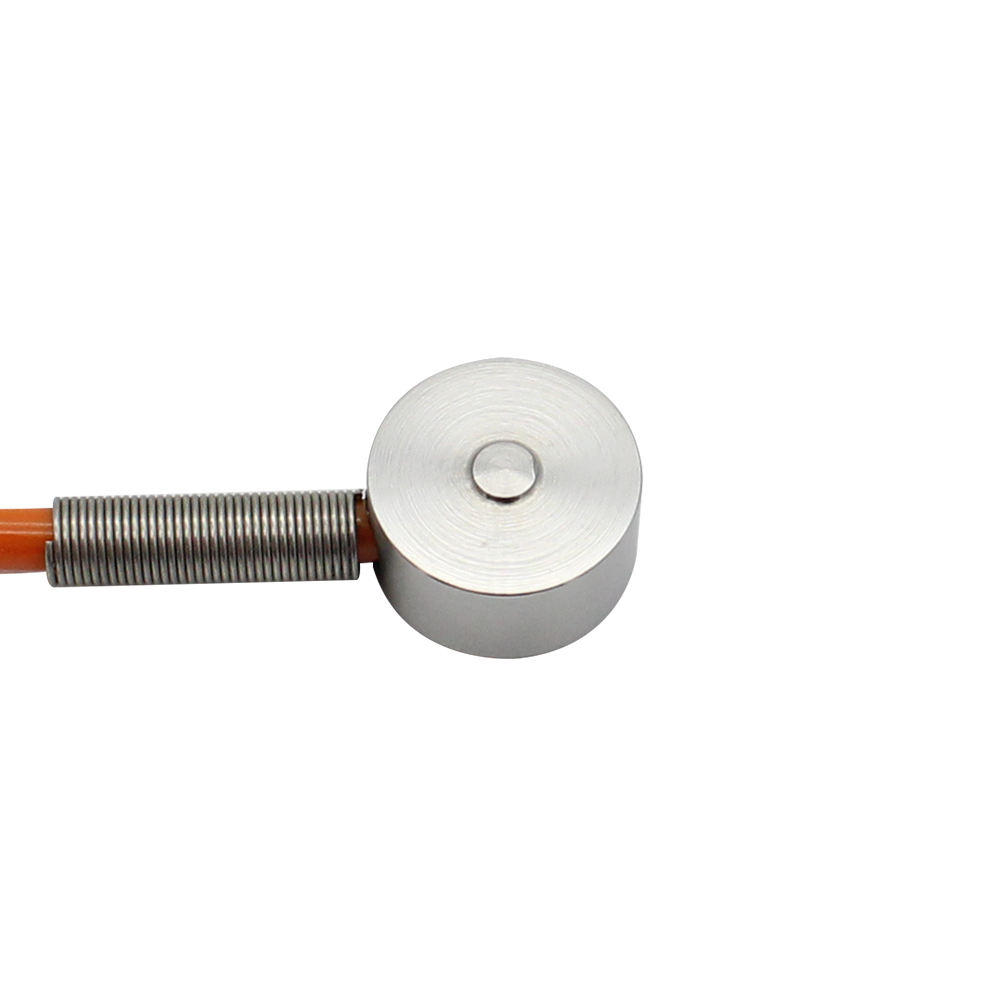
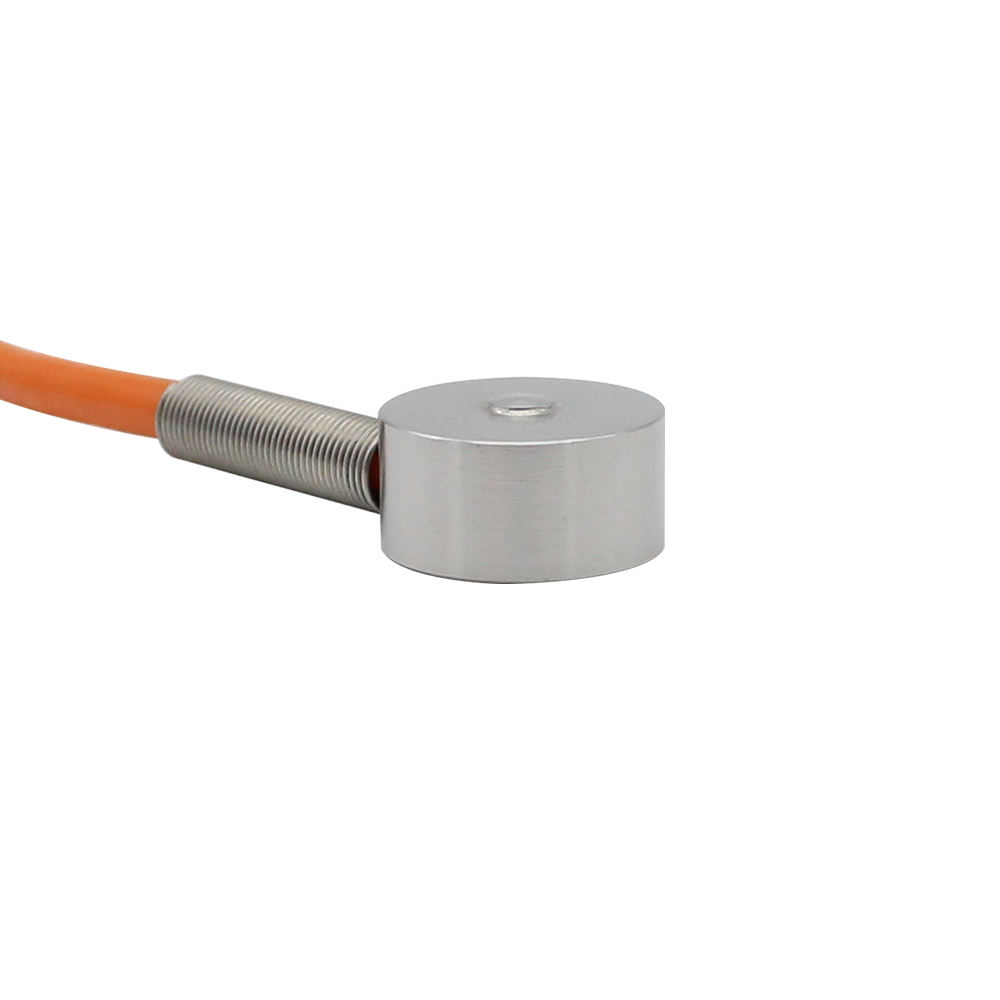
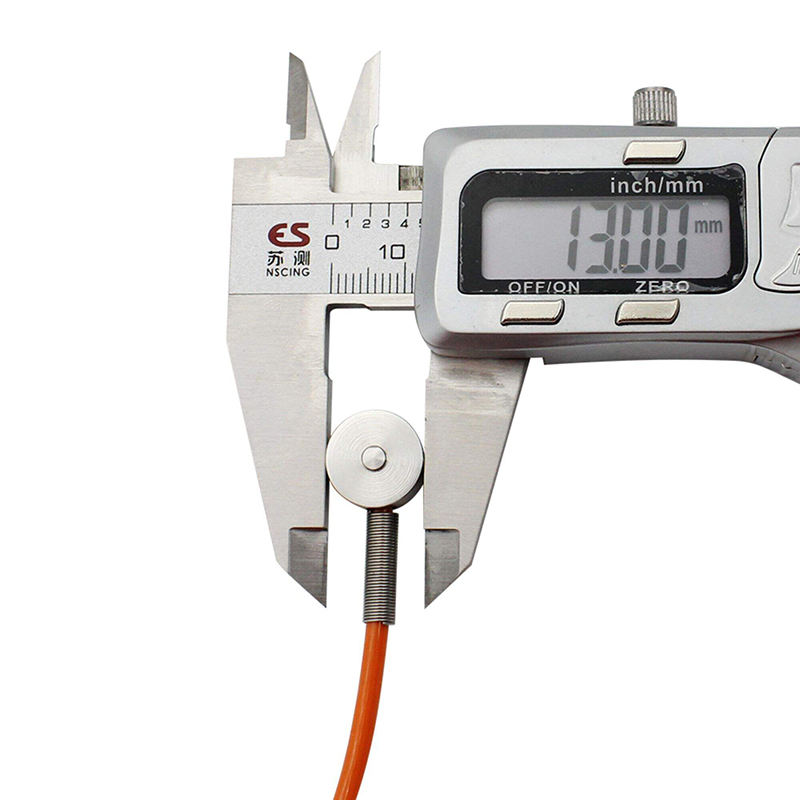
Micro load  cells are specialized  sensors  designed  to measure  small  forces with  high  precision,  making  them essential in various industrial applications. For  B2B  buyers, understanding the  specifications, quality, and application  of micro  load cells is critical for making an informed purchase decision.  This article provides  insights into finding reliable  suppliers, addressing common installation issues, and  exploring the diverse applications of micro load  cells in the industry.

Quality and Cost Considerations

Quality and Cost Considerations

Quality and  cost  are two critical factors when evaluating micro load cells. The price of these sensors can vary widely based on materials, specifications, and manufacturing processes. Opting for the cheapest option may lead to compromising on quality, which can result in inaccurate measurements and higher  long-term costs due to potential equipment damage or operational inefficiencies.


Key specifications to consider include load capacity, sensitivity, and temperature range. For instance, if the application requires the  load cell  to operate in extreme temperatures or under specific environmental conditions, ensure  that the product  specifications align  with these needs. Additionally, the materials  used  in manufacturing, such  as aluminum or stainless steel, can affect both the performance and cost of the  load cells.

Buyers should also consider the  total cost of ownership. This includes not only the purchase  price but  also  installation, maintenance, and potential downtime costs associated with using subpar products. A reliable supplier will provide detailed information regarding these factors,  enabling buyers to  make  a well-informed decision.

Common Installation Problems with Micro Load Cells and Solutions

Common Installation Problems with Micro Load Cells and Solutions

Installing  micro load cells can  present  several  challenges, particularly when  it comes to achieving accurate measurements. One common issue is misalignment during  installation, which can lead to erroneous readings. It is crucial to  follow the manufacturer's guidelines closely, ensuring that the load cell is installed according to the specified orientation and mounting  requirements.

Another frequent problem is the influence  of external factors, such as vibrations or  thermal expansion, which can affect the  performance of the load cell. To mitigate these  issues, consider using  protective enclosures or isolation mounts that  can minimize the impact of environmental conditions.

Calibration is also a vital  step in  the installation process.  Without proper calibration,  the load cell may not provide accurate readings. Buyers should ensure that their suppliers offer calibration services or guidance on how to calibrate the load cells effectively. Regular  maintenance  checks can help identify any drift in measurements over time, ensuring sustained accuracy.

Understanding the Applications of Micro Load Cells in Industry

Understanding the Applications of Micro Load Cells in Industry

Micro load cells have a wide  range of applications  across various industries, including automation, weighing systems,  and medical devices. In automation, these sensors are often used in robotics for force measurement and feedback, enabling precise control in assembly lines and manufacturing processes.

In weighing systems, micro load  cells provide  accurate  weight measurements in compact applications, such as portable scales or small  industrial scales. Their high precision is crucial in sectors such  as food processing, pharmaceuticals, and logistics, where accurate weight measurement is essential for compliance and quality control. For example, incorporating Tension load cell solutions can significantly enhance the accuracy of measurements in such applications.

Moreover, in medical  applications, micro load cells can  be integrated into  devices for measuring  force or weight in patient monitoring  systems. Their compact size and high  sensitivity make them  ideal for applications where space is limited, and  precision is paramount.

Understanding the  specific application requirements is  vital for selecting the right micro load cell. Factors  such as load  capacity, environmental conditions, and mounting options must be considered to ensure optimal performance.

Bulk Order Discounts on Micro Load Cells for Distributors

For distributors looking to purchase micro load cells in bulk, negotiating  discounts can significantly reduce costs. Many manufacturers, including JIANGXI JINGCE SENSING TECHNOLOGY CO., LTD., offer pricing tiers based on  order volume. This approach  encourages larger purchases while providing cost  savings for buyers.

When discussing  bulk orders, it is essential to communicate specific requirements, including quantities, customization needs, and delivery  timelines. This  information helps  suppliers  tailor their offers  and may lead to additional savings through optimized shipping methods or  reduced  production costs.

Additionally, establishing  a  long-term partnership with a supplier can lead to more favorable pricing  and priority service. Buyers should consider the potential for ongoing orders and  the  strategic value of building a relationship with a trusted manufacturer.

Selecting the right micro load cell involves careful consideration  of suppliers, quality,  installation  challenges, and application needs. By understanding these factors, B2B buyers can make informed decisions that enhance operational efficiency and product reliability.

Finding Reliable Micro Load Cell Suppliers

When searching for reliable micro load cell suppliers, it's essential to evaluate their  experience and reputation in the industry. Look  for manufacturers  with a proven track record in producing  high-precision  load cells and who hold relevant  certifications such as  CE and RoHS.  These certifications  indicate compliance with safety  and environmental standards,  which can significantly impact product  quality and reliability.

It's also beneficial to consider the supplier's  manufacturing capabilities. A company like JIANGXI JINGCE SENSING TECHNOLOGY CO., LTD., which specializes in OEM/ODM solutions, can offer tailored  products that meet specific project requirements. Engaging with suppliers who are  open to customization can help ensure that the load cells will fit seamlessly into your existing systems. Additionally, you might want to explore options like Load cell technology, which can provide further insights into different types of sensors available.

Additionally, inquire  about their quality control processes. A  robust quality management system ensures that every micro load cell  produced meets strict performance standards. Requesting samples for evaluation before making bulk purchases can also help  verify the supplier’s  claims regarding product quality.

Frequently Asked Questions

What is a micro load cell used for?

A micro load cell measures small forces or weights precisely for applications like weighing, automation, testing, and new energy systems.
We offer high-precision options with various capacities from grams to several kilograms, tailored via OEM/ODM to meet specific accuracy and range requirements.
Common industries include lifting, weighing, automation, electronics testing, and new energy systems requiring compact, precise force measurement.
Our micro load cells carry CE and RoHS compliance and are manufactured under strict quality controls to ensure reliable, repeatable performance.
Yes. We provide OEM/ODM customization and technical support for mechanical, electrical, and calibration integration to fit specific application needs.

Get a Free Quote

Our representative will contact you soon.
0/1000

Related product categories