Crane Load Cell Manufacturers: A Comprehensive Guide

application/crane-load-cell-manufacturers, application/crane-load-cell-manufacturers, 
Inquiry
Inquiry

crane load cell manufacturers

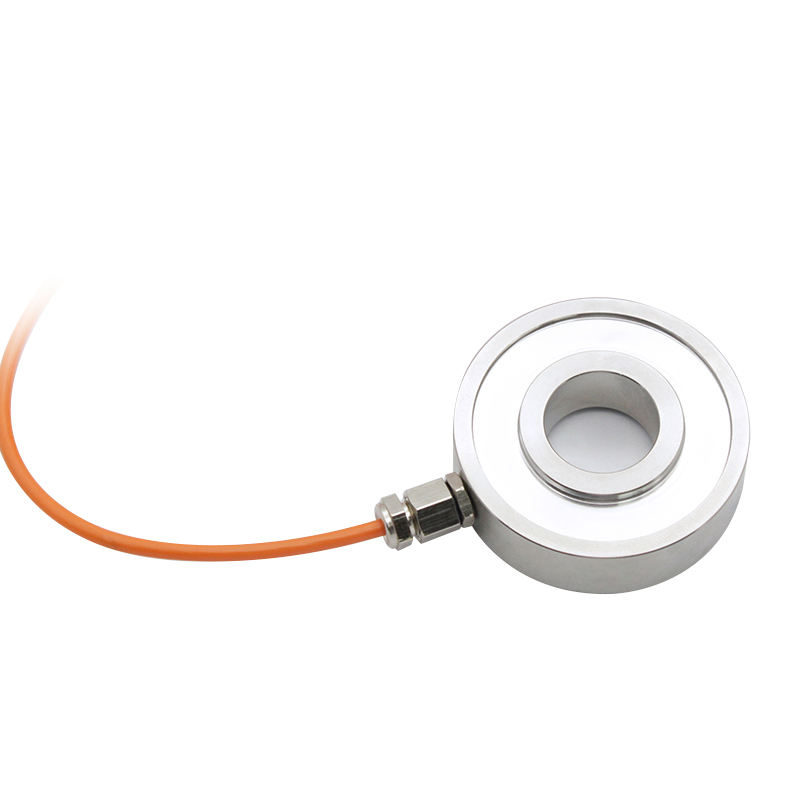
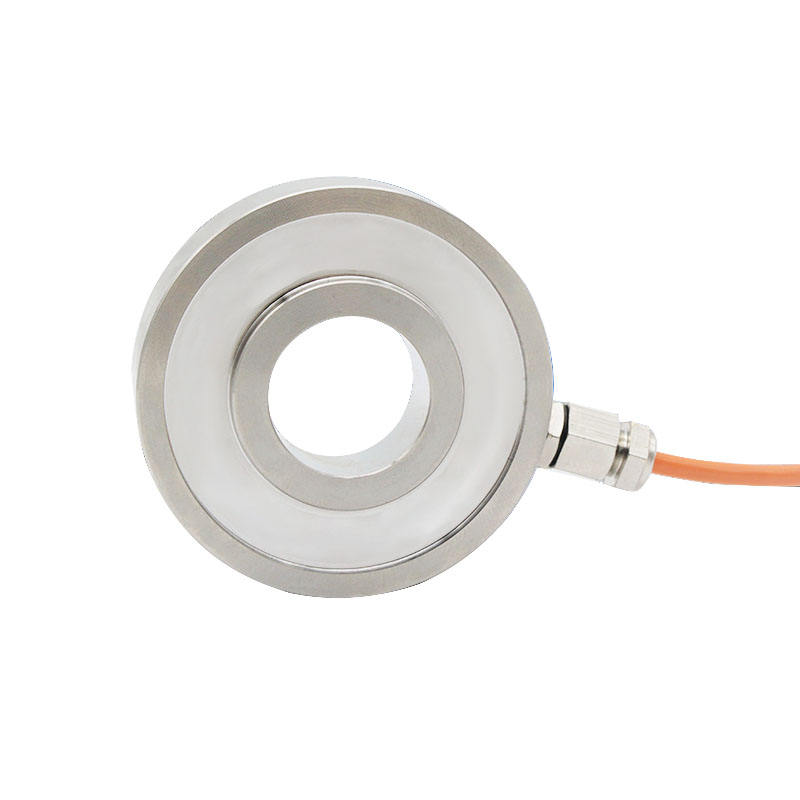
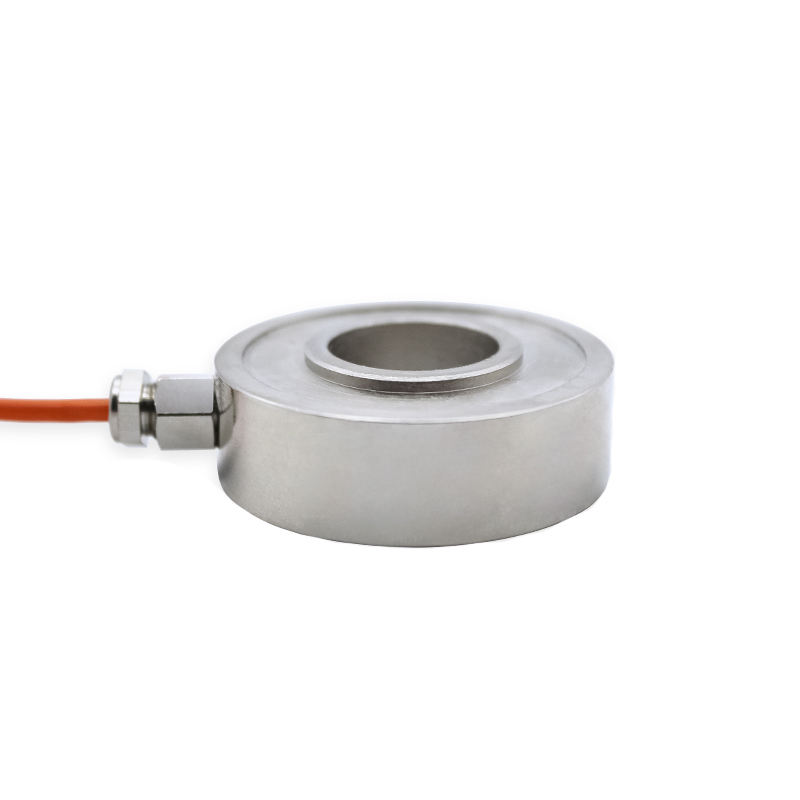
Crane  load cells are essential components in industries where  precise weight  measurement and load monitoring are critical  for safety  and efficiency.  As a  key element in lifting and weighing operations,  selecting the  right  crane load cell manufacturer is vital  for ensuring reliability  and  performance. This article will guide potential buyers through essential  considerations, common installation challenges, certification importance,  and best practices for sourcing  crane load cells,  specifically  tailored for professionals involved  in procurement, engineering,  and project management.

Essential Factors for Buyers

Essential Factors for Buyers

Several factors are critical  when sourcing crane load cells from  manufacturers:

Quality Standards: Verify that the manufacturer adheres to international quality standards, such as ISO certifications.  This ensures a commitment to high-quality production processes and product reliability.

Technical Support: Consider the level of technical support offered by the manufacturer. This can include assistance with installation,  calibration, and troubleshooting. A knowledgeable support team can significantly ease the integration of load cells into existing systems.

Production Capacity and Lead Times: Understand the manufacturer's production capabilities  and  lead times. This is crucial for project planning, especially if large  quantities  are required. Ensure  that the manufacturer can meet your delivery timelines without  compromising quality.

Testing and Verification: Ensure  that the manufacturer conducts thorough  testing of load cells  before  shipment. This may include load  testing,  environmental testing, and performance verification to confirm  that the cells meet specified requirements. For instance, consider the High Performance 100Nm Static Torque Sensor Load Cell for enhanced testing.

By addressing these factors, buyers can mitigate risks associated  with sourcing crane load cells, ensuring they select a reliable supplier that  meets their operational  demands.

Common Installation Problems with Crane Load Cells and Their Solutions

Common Installation Problems with Crane Load Cells and Their Solutions

Installation of crane load cells can present several challenges that may impact performance.  Here are common issues and recommended solutions:

Incorrect Alignment: Misalignment  during installation can lead to measurement inaccuracies. To avoid this, ensure  that  load cells are aligned correctly with the load axis. Use alignment tools  or fixtures during installation to  verify  proper positioning.

Environmental Factors: Load cells  may be exposed to extreme temperatures, moisture, or contaminants. To mitigate these risks, select  load cells with appropriate environmental ratings and consider  protective enclosures or coatings to enhance durability.

Electrical Interference: Electrical noise from nearby machinery can disrupt load cell signals. Implement shielded cables and proper grounding techniques to minimize interference. Additionally, use signal  conditioning devices to  enhance the quality of the output signal.

Inadequate Calibration: Failing to calibrate load cells post-installation can lead  to inaccuracies. Buyers should  ensure that calibration procedures are followed, ideally performed by qualified technicians familiar with the specific  load  cell  model.

By anticipating these installation challenges and proactively addressing them, buyers  can ensure optimal performance and longevity  of their crane load cells.

What Buyers Should Know About Crane Load Cell Certifications

What Buyers Should Know About Crane Load Cell Certifications

Certifications play  a crucial role in ensuring that crane load cells meet safety and performance standards. Here are key certifications to consider:

CE Marking: This certification indicates that the load  cell complies with European safety, health, and environmental protection standards. For buyers in Europe,  CE marking is essential  for ensuring product safety and market  access.

RoHS Compliance: This certification ensures that the load cell contains no hazardous substances that could harm the environment or human health. It is particularly important for companies focused on  sustainability and compliance with  environmental regulations.

OIML Certification: The International Organization of Legal Metrology (OIML) certification is important for  load cells used in commercial weighing  applications. This certification  assures users that the load cells meet  international metrological standards for accuracy and reliability.

ISO Certification: Manufacturers with ISO  certifications demonstrate  adherence to quality  management systems, indicating that they consistently produce quality  products. Buyers should prioritize suppliers  with relevant ISO certifications.

Understanding these  certifications allows buyers to assess the product's compliance with industry standards and regulations, thereby ensuring that their load cells are suitable  for their intended  applications.

Best Practices for Sourcing Crane Load Cells for Industrial Projects

Sourcing crane load cells effectively  involves  several best practices:

Request Detailed Quotations: When reaching out  to manufacturers, provide  comprehensive  information  about your requirements, including load capacity, application, and any necessary specifications. This allows  manufacturers to offer accurate quotations and recommendations.

Evaluate Samples: Before committing to a large order, request samples of the  load cells. Testing these samples  under actual operating conditions helps validate performance and compatibility with existing systems.

Check References: Ask  for references from other clients who  have sourced similar products.  This can provide insight into  the  manufacturer's reliability, product quality, and customer service.

Plan for Long-Term  Needs: Consider not only current requirements but also future scaling needs. Engage manufacturers who can accommodate potential increases in demand or changes  in  specifications without significant lead time increases.

Negotiate Terms: Discuss terms related to minimum order quantities, payment options, and shipping arrangements upfront to avoid misunderstandings later in the procurement  process.

By following these best practices, buyers can establish a strong foundation  for successful partnerships with crane load cell manufacturers, ensuring that their industrial projects are supported by high-quality products.

A Buyeru2019s Guide

When selecting a crane load cell manufacturer, buyers should focus  on several critical factors. First, assess the manufacturer’s  experience and expertise in producing high-precision load cells. Look for companies that specialize in load cells for specific applications, such as  lifting, weighing, and automation in industries like construction and manufacturing. Additionally, consider the Customizable PMC Sensors Load Cell Transmitter which can enhance performance in unique operational settings.

Next, evaluate the specifications of the load cells offered. Important parameters include load  capacity, accuracy, and  environmental ratings—such as  IP  ratings—which indicate the cell's resistance to  dust and moisture.  Additionally, consider the materials used in construction; for example, stainless steel load cells provide durability and corrosion resistance in  harsh environments.

Lastly, inquire about customization options.  Many manufacturers offer OEM/ODM  solutions tailored  to specific applications, which can  enhance compatibility  and  performance  in unique operational settings. Understanding these details will empower buyers to make  informed decisions that  align with  their operational needs.

Frequently Asked Questions

What crane load cell models do you offer?

We provide high-precision crane load cells, force sensors, and wireless dynamometers in various capacities and sizes, suitable for lifting, weighing, automation, and new energy applications. OEM/ODM customization is available.
Yes. Our products carry CE and RoHS certifications, ensuring compliance with safety and environmental standards for industrial lifting and weighing uses.
Yes. We offer OEM/ODM customization including capacity ranges, mounting options, electrical interfaces, and calibration to match your system requirements.
Our load cells deliver high-precision measurement and we provide factory calibration, verification reports, and on-request recalibration or calibration guidance for field use.
Yes. We offer wireless dynamometers and sensors with compatible outputs for remote monitoring, data logging, and integration into automation and weighing systems.

Get a Free Quote

Our representative will contact you soon.
0/1000