Choosing High Precision Weight Sensors for Your Needs

application/high-precision-weight-sensor, application/high-precision-weight-sensor, 
Inquiry
Inquiry

High precision weight sensor

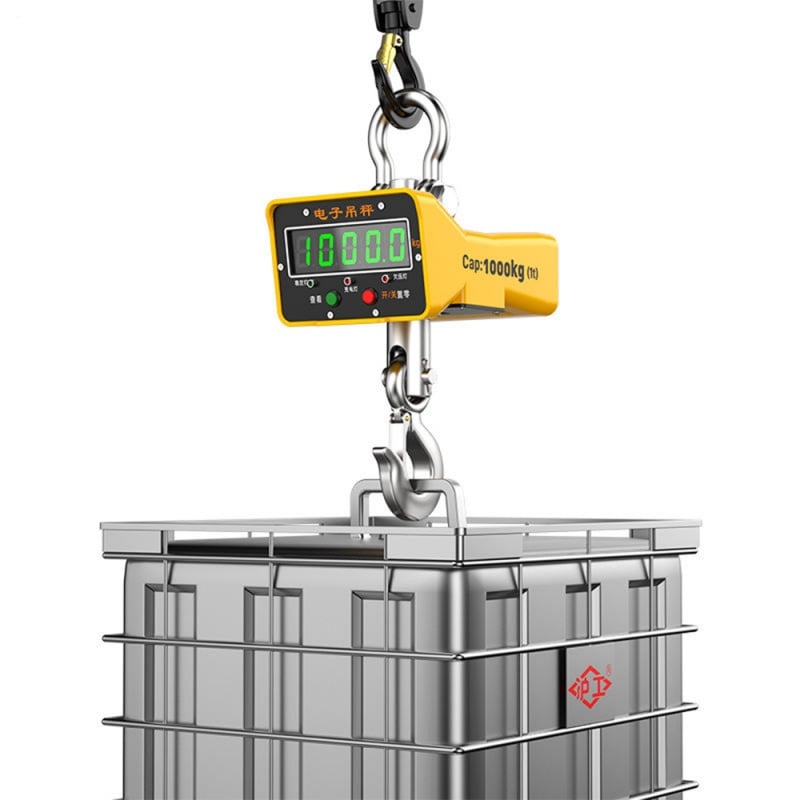
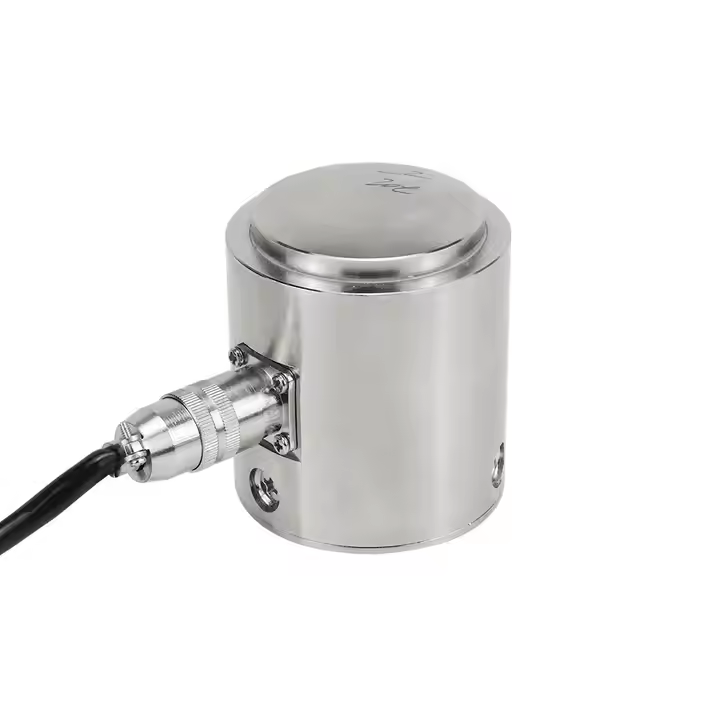
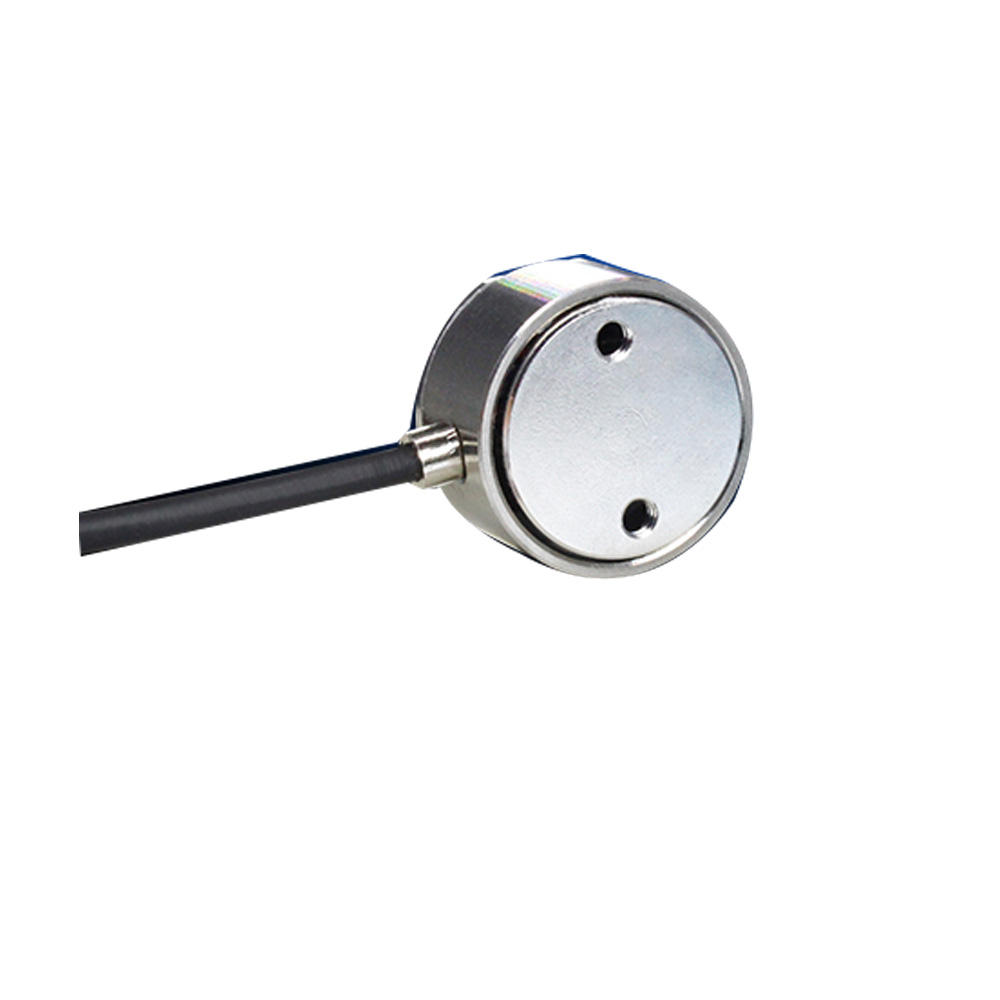
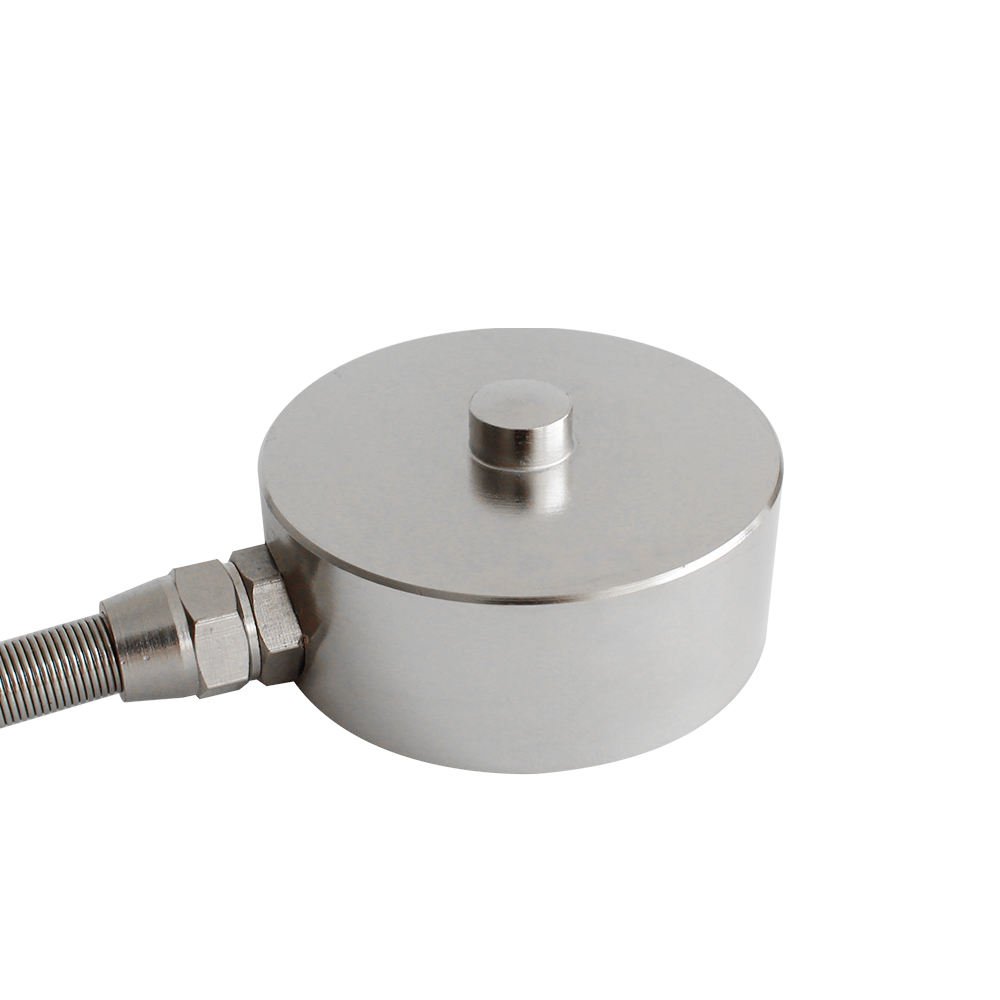
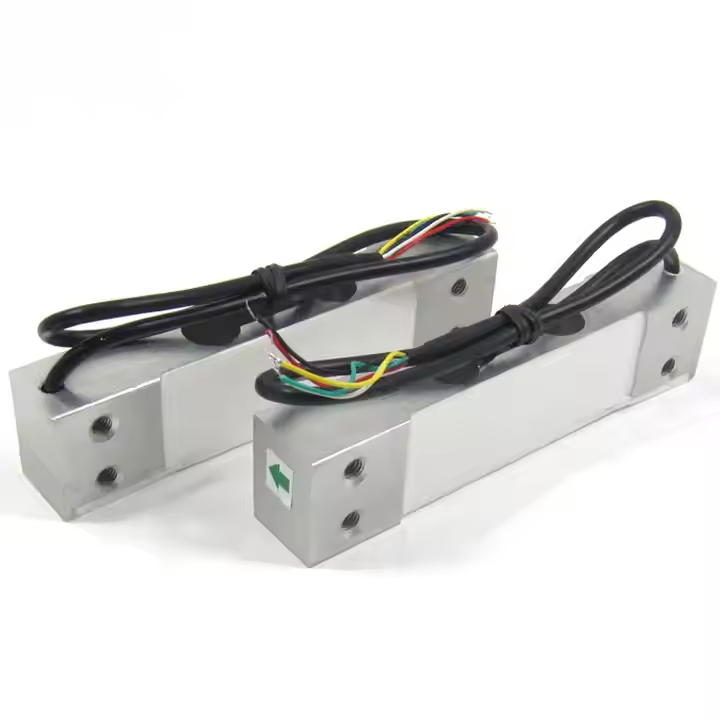
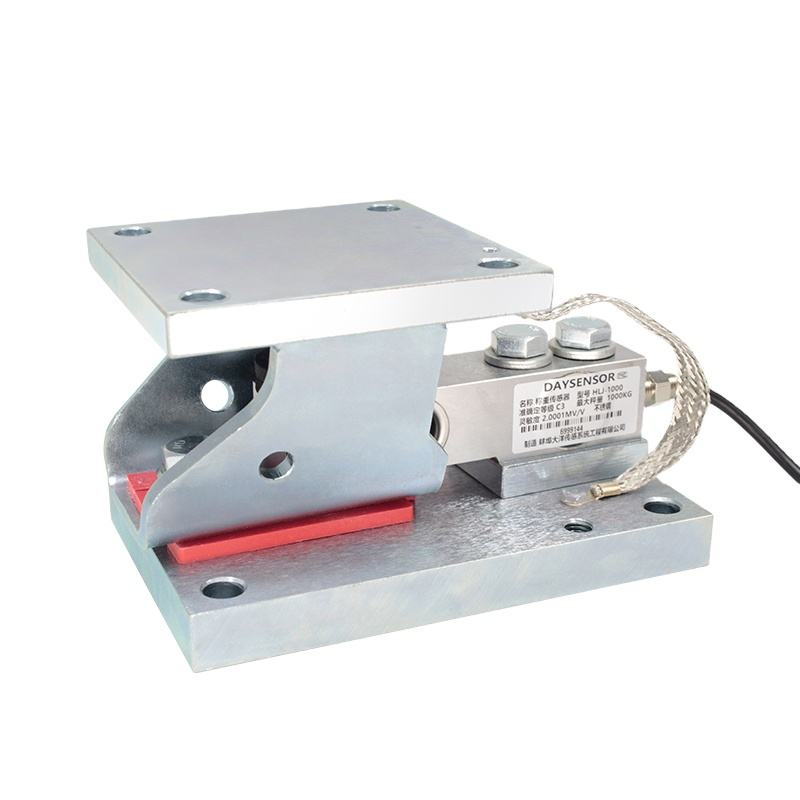
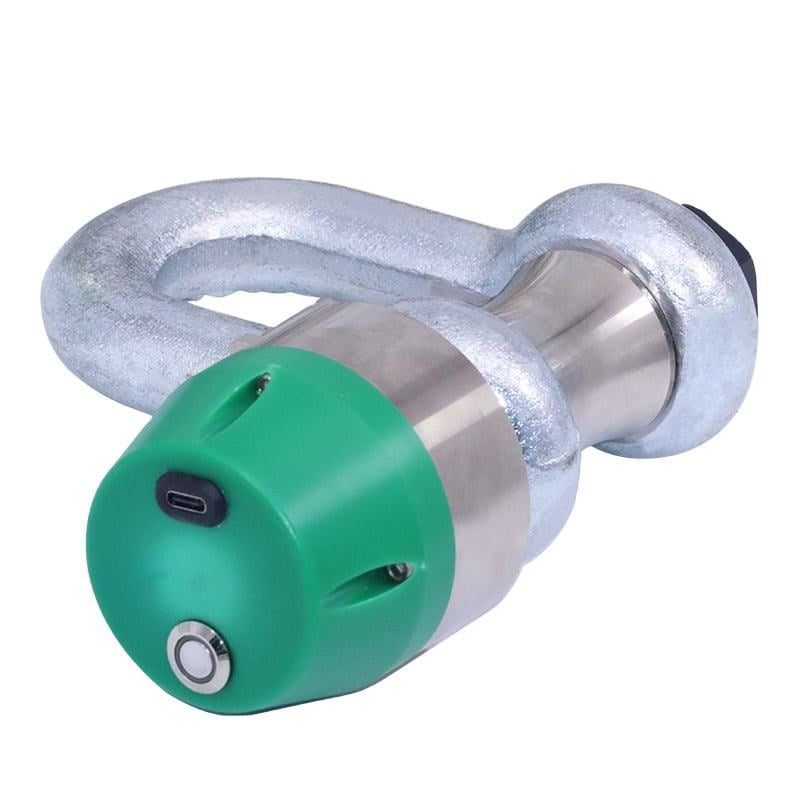
High precision weight sensors are critical components used in various industries for accurate measurement and data collection. These sensors play a vital role in applications ranging from manufacturing to logistics, where precision in weight measurement is paramount. As a B2B buyer, your main concerns typically revolve around reliability, accuracy, and suitability for specific applications. This article aims to provide you with practical insights on choosing the right high precision weight sensor, understanding key specifications, and addressing common challenges faced during the procurement process.


Key Specifications to Consider When Sourcing Weight Sensors in Bulk

When sourcing high precision weight sensors in bulk, several specifications must be evaluated to ensure they meet your operational requirements. Key specifications include: 

Capacity: The maximum load the sensor can accurately measure. Ensure the sensor's capacity exceeds your maximum expected load to avoid damage. 

Accuracy: Typically expressed as a percentage of the full-scale output. Higher accuracy sensors are essential for applications requiring precise measurements. 

Linearity and Hysteresis: These parameters indicate how closely the sensor's output corresponds to the actual load across its range. Low linearity and hysteresis values are crucial for maintaining accuracy. 

Temperature Coefficient: This specification explains how the sensor's performance is affected by temperature changes. A low temperature coefficient is preferable for environments with fluctuating temperatures. 

Output Type: Determine whether you need analog or digital output based on your data acquisition systems. 

Understanding these specifications and discussing them with your supplier can greatly enhance your procurement process, ensuring that you receive sensors tailored to your operational needs. 


High Precision Weight Sensors for Distributors

Distributors play a critical role in the supply chain for high precision weight sensors. When partnering with manufacturers like JIANGXI JINGCE SENSING TECHNOLOGY CO., LTD., ensure that you have a clear understanding of your customers' needs and the market trends. 

Consider offering a diverse range of sensors that cater to various applications this could include load cells for industrial weighing, force sensors for automation, or specialized sensors for new energy applications. 

Another important factor is inventory management. Keep a balanced stock of linear sensor to meet demand fluctuations without over committing resources. Providing detailed product specifications and application notes can also help your customers make informed decisions. 

Finally, offer technical support and training to your customers, enabling them to properly integrate and utilize these sensors in their operations.  

What to Look for in Weight Sensors and Load Cells

When evaluating weight sensors and load cells, buyers should prioritize several critical factors: 

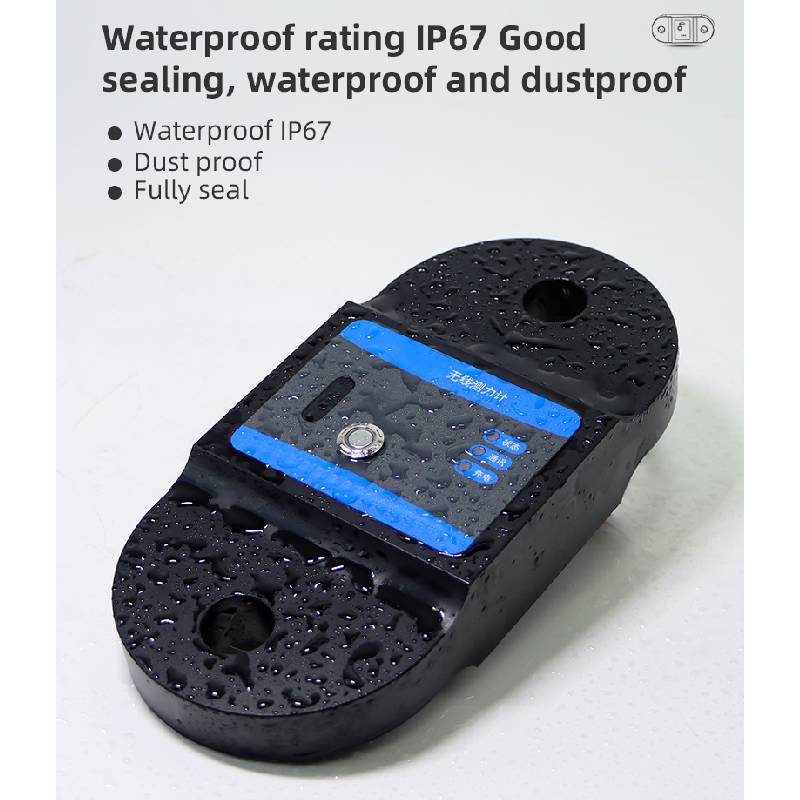
Build Quality: Inspect the materials used in construction. Stainless steel and aluminum are common choices, providing durability and resistance to corrosion. The choice of material can significantly impact the sensor's lifespan and performance in harsh environments. 

Calibration: Ensure that the sensor is calibrated for accuracy. Some manufacturers offer calibration services or provide calibration certificates, which add to the product’s reliability. 

Customization Options: Depending on your application, you may require sensors with specific dimensions, capacities, or output configurations. Confirm that the manufacturer can accommodate your customization requests. 

Supplier Reputation: Research the manufacturer’s track record and customer reviews. A reputable supplier like JIANGXI JINGCE SENSING TECHNOLOGY CO., LTD. can be an assurance of quality and reliability. 

By focusing on these aspects, buyers can make more informed purchasing decisions, minimizing the risk of operational disruptions due to inadequate sensor performance. 

Common Problems with Weight Sensors and Effective Solutions for Buyers

Despite their reliability, weight sensors can encounter issues that might affect their performance. Some common problems include: 

Drift in Output: Over time, sensors may experience output drift due to environmental conditions or mechanical wear. Regular calibration and maintenance can mitigate this issue. 

Mechanical Damage: Improper installation or excessive loads can damage sensors. Always adhere to the manufacturer's load specifications and ensure proper installation techniques are followed. 

Signal Noise: Interference from nearby electrical equipment can introduce noise into the sensor's signal. Using shielded cables and proper grounding can reduce this interference. 

When purchasing weight sensors, it's prudent to inquire about the manufacturer's warranty and after-sales support. A reliable support system can help address any issues quickly, ensuring minimal downtime in your operations. Additionally, understanding common problems allows buyers to implement preventive measures, enhancing the longevity and reliability of their sensors. 

In summary, understanding the intricacies of high precision weight load cell sensors can significantly improve your procurement process. By focusing on application needs, specifications, and potential issues, you can make informed decisions that enhance operational efficiency and accuracy. 

How to Choose the Right High Precision Weight Sensor for Your Needs

Selecting the appropriate high precision weight sensor requires a clear understanding of your application requirements. Start by defining the key parameters of your project this includes the weight range, environmental conditions, and the specific application (e. g., industrial weighing, automation, or load monitoring). 

Consider the type of sensor technology strain gauge, capacitive, or piezoelectric as each has its advantages and disadvantages. For instance, strain gauge sensors are widely used for their high accuracy and stability, while piezoelectric sensors excel in dynamic measurements. 

Additionally, factor in the expected load conditions. Torque rotary sensor must be able to handle the maximum load without compromising accuracy. It’s also essential to assess the installation environment; factors such as temperature fluctuations, humidity, and exposure to chemicals can affect sensor performance. Collaborating with a manufacturer like JIANGXI JINGCE SENSING TECHNOLOGY CO., LTD. can help you identify the best sensor that meets your specific needs. 


Frequently Asked Questions

What accuracy does the high precision weight sensor offer?

Our high precision weight sensor delivers industry-grade accuracy, typically within ±0.01% to ±0.1% of full scale depending on model and configuration. Exact specs available on request for your application.
Designed for lifting, weighing, automation, and new energy sectors, the sensor supports industrial and laboratory applications requiring reliable high-precision measurement.
The sensor and related systems carry CE and RoHS certifications, ensuring compliance with European safety and environmental standards for industrial use.
Yes. We provide OEM/ODM customization including mounting, output signals, calibration, and packaging to meet specific application and integration requirements.
We offer factory calibration, technical support, application guidance, and after-sales service to ensure optimal performance and long-term accuracy for your deployment.

Get a Free Quote

Our representative will contact you soon.
0/1000